Preparing properly for calving season is one of the most important responsibilities of every cattle owner and breeder. Although Mini Highland cows are naturally hardy animals with strong maternal instincts, successful births still require careful planning, proper sanitation, emergency preparation, and organized livestock management. Understanding the most important mini Highland cow calving supplies helps breeders reduce complications, improve calf survival, and create safer conditions for both mother and newborn calf.
Many first-time cattle owners underestimate how quickly calving situations can change. Even healthy pregnancies may occasionally involve:
- difficult labor
- calf weakness
- positioning problems
- cold stress
- dehydration
- emergency veterinary situations
Without proper preparation, small problems may become dangerous very quickly.
Good calving preparation helps owners:
- respond faster during emergencies
- maintain cleaner birth conditions
- reduce stress
- improve calf health
- support maternal recovery
Proper supplies also improve confidence during one of the most important stages of cattle management.
In this complete guide, you will learn the most essential mini Highland cow calving supplies, how to prepare for birth safely, signs labor is approaching, common calving problems, newborn calf care recommendations, and the most important calving management practices every breeder should understand.
What Are Mini Highland Cow Calving Supplies?
Mini Highland cow calving supplies are the tools, equipment, sanitation materials, and emergency items used to prepare for and manage cattle births safely.
Good calving preparation focuses on:
- sanitation
- calf safety
- emergency readiness
- maternal support
- clean bedding
- lighting
- veterinary preparation
Prepared calving systems help improve:
- calf survival
- maternal recovery
- hygiene
- overall herd management
Every breeder should organize calving supplies before labor begins rather than searching for equipment during emergencies.
Why Proper Calving Preparation Matters
Calving is physically demanding for both the cow and calf.
Even experienced cows may occasionally experience:
- prolonged labor
- weak contractions
- calf positioning issues
- stress-related complications
Without proper preparation, owners may struggle to respond quickly when assistance becomes necessary.
Good preparation improves:
- safety
- organization
- emergency response
- sanitation
- overall birth outcomes
Prepared breeders generally experience fewer stressful calving situations.
15 Essential Mini Highland Cow Calving Supplies Every Breeder Needs
1. Clean Calving Gloves
Disposable gloves help maintain hygiene during delivery assistance.
Clean gloves reduce:
- contamination
- infection risks
- bacterial exposure
Multiple glove pairs should remain available during calving season.
2. Disposable Towels and Cloths
Clean towels help:
- dry calves
- clean equipment
- improve sanitation
Drying newborn calves quickly becomes especially important during cold weather.
3. Calf Pulling Straps
Difficult deliveries sometimes require careful assisted pulling.
Proper livestock calving management practices help breeders use pulling equipment safely.
Improper pulling techniques may injure both cow and calf.
4. Lubricant for Difficult Deliveries
Lubricants help reduce friction during assisted births.
Clean livestock-approved lubricants improve safety during difficult calving situations.
5. Clean Dry Bedding
Dry bedding helps reduce:
- infection risks
- cold stress
- moisture exposure
Good bedding improves comfort and sanitation significantly.
6. Iodine for Navel Care
Newborn calves require clean navel care immediately after birth.
Iodine helps reduce bacterial infection risks.
7. Thermometer
Body temperature monitoring helps identify:
- fever
- infection
- cold stress
- illness
Quick temperature checks improve emergency monitoring.
8. Colostrum Supply or Replacement
Colostrum provides newborn calves with critical immune support.
Weak calves sometimes require additional feeding support shortly after birth.
9. Calving Pen or Isolation Area
Dedicated calving areas improve:
- cleanliness
- monitoring
- calf safety
- stress reduction
Clean isolated spaces support healthier birth conditions.
10. Flashlight or Portable Lighting
Many cattle give birth overnight.
Good lighting improves:
- visibility
- monitoring
- emergency response
Portable lighting becomes extremely important during difficult deliveries.
11. Livestock First Aid Supplies
Following a complete mini Highland cow first aid kit checklist improves emergency readiness during calving season.
Important items may include:
- bandages
- antiseptics
- gloves
- emergency tools
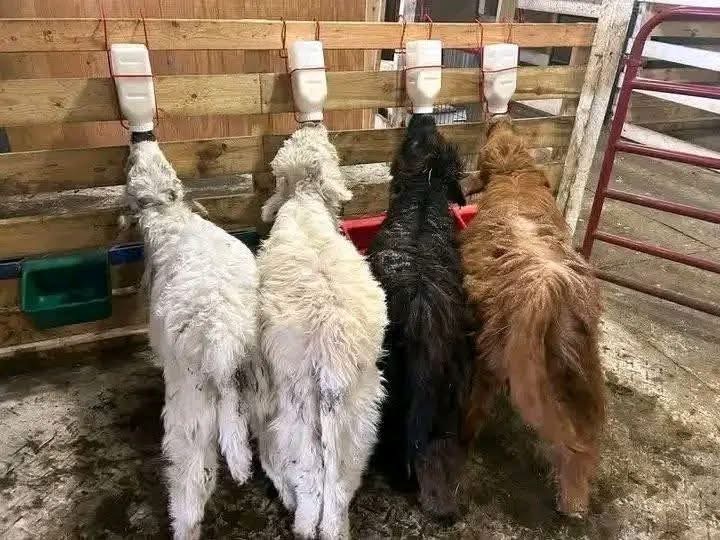
12. Feeding Bottles for Calves
Weak calves may need assistance receiving colostrum or milk.
Clean feeding bottles improve:
- hydration
- nutrition
- calf recovery
13. Emergency Veterinary Contact Information
Every breeder should maintain:
- emergency phone numbers
- veterinary clinic contacts
- transportation plans
Fast communication improves emergency response significantly.
14. Warm Blankets or Heat Lamps
Cold temperatures may weaken newborn calves rapidly.
Warmth support becomes especially important during:
- winter births
- rainy conditions
- overnight calving
15. Waterproof Storage Containers
Calving supplies should remain:
- organized
- clean
- dry
- protected from contamination
Good organization improves emergency efficiency.
Signs a Mini Highland Cow Is Ready to Calve
Several behavioral and physical signs may indicate labor is approaching.
Common signs include:
- swollen udder
- restlessness
- isolation behavior
- mucus discharge
- tail raising
- reduced appetite
Following a proper mini Highland cow pregnancy timeline helps owners prepare for expected calving periods more accurately.
How to Prepare a Safe Calving Area
A good calving environment should provide:
- dry bedding
- proper ventilation
- clean surroundings
- minimal stress
- easy monitoring access
Overcrowded or muddy conditions increase:
- bacterial exposure
- stress
- calf health risks
Clean isolated spaces improve both safety and comfort.
Common Calving Problems Owners Should Watch For
Although many births proceed normally, certain complications require immediate attention.
Difficult Labor
Long difficult deliveries may endanger both cow and calf.
Weak Calves
Some calves struggle to stand or nurse immediately.
Improper Calf Positioning
Abnormal positions sometimes require veterinary assistance.
Retained Placenta
Delayed placenta release may increase infection risks.
Cold Stress
Newborn calves lose body heat quickly in wet or cold conditions.
Early monitoring improves treatment success significantly.
How to Care for a Newborn Mini Highland Calf
Newborn calf care strongly affects long-term health and survival.
Important priorities include:
- nursing quickly
- staying warm
- clean bedding
- monitoring breathing
- checking mobility
Following proper newborn calf care recommendations improves calf recovery and immune development.
Healthy calves should:
- stand within a reasonable time
- nurse successfully
- remain alert and active
When to Call a Veterinarian During Calving
Certain situations require immediate professional assistance.
Prolonged Labor
Long difficult births increase health risks quickly.
Severe Bleeding
Heavy bleeding may become life-threatening.
Weak or Nonresponsive Calves
Calves struggling to breathe or move require urgent attention.
Signs of Infection
Fever or unusual discharge may indicate complications.
Prepared breeders should never hesitate to seek veterinary help during emergencies.
Common Calving Supply Mistakes Owners Should Avoid
Waiting Until Labor Starts to Prepare
Late preparation increases stress and confusion.
Using Dirty Equipment
Poor sanitation increases infection risks dramatically.
Ignoring Weather Conditions
Cold wet conditions create major newborn risks.
Poor Lighting
Limited visibility complicates emergency response.
Missing Emergency Contact Information
Delayed veterinary communication may worsen complications.
Seasonal Calving Preparation Tips
Different seasons create different calving challenges.
Winter Calving
Requires:
- thicker bedding
- warmth support
- wind protection
Summer Calving
Requires:
- ventilation
- hydration
- heat stress monitoring
Rainy Season Calving
Requires:
- drainage
- mud control
- extra sanitation
Seasonal preparation improves both calf and maternal safety.
Calving Sanitation and Disease Prevention
Clean environments reduce:
- bacterial exposure
- infection risks
- calf illness
Good sanitation practices include:
- replacing bedding regularly
- cleaning equipment
- isolating sick animals
- maintaining dry shelter conditions
Strong hygiene improves long-term herd health significantly.
Emergency Calving Planning for Small Farms
Small farms may experience limited veterinary access during emergencies.
Owners should prepare:
- transportation plans
- emergency supply reserves
- backup lighting
- additional bedding
Preparation improves response during unexpected complications.
Calving and Maternal Recovery
After delivery, cows require:
- rest
- hydration
- balanced nutrition
- clean shelter
Good recovery management supports:
- milk production
- reproductive health
- calf bonding
Healthy recovery improves long-term breeding performance.
Long-Term Benefits of Proper Calving Preparation
Strong calving preparation provides several major advantages.
Healthier Calves
Prepared environments improve survival and development.
Reduced Emergency Stress
Organization improves response speed during complications.
Better Maternal Recovery
Clean safe conditions support healthier cows.
Lower Veterinary Costs
Preventive preparation reduces severe complications.
Stronger Herd Management
Prepared farms handle calving season more efficiently.
Building a Sustainable Calving Management System
Successful calving systems combine:
- sanitation
- organization
- emergency planning
- veterinary partnerships
- calf monitoring
- proper bedding
Consistent preparation improves long-term breeding success significantly.
Final Thoughts on Mini Highland Cow Calving Supplies
Understanding the most important mini Highland cow calving supplies is essential for creating safer births, healthier calves, and more organized livestock management systems. Although Mini Highland cows are naturally hardy animals with strong maternal instincts, calving still requires careful preparation, sanitation, monitoring, and emergency readiness to reduce complications and improve overall herd health.
By organizing proper calving supplies, maintaining clean bedding, preparing emergency contacts, monitoring labor signs carefully, and supporting newborn calf care, breeders can dramatically improve both maternal and calf outcomes during calving season.
Whether you own a small hobby farm or a larger breeding operation, investing in strong calving preparation practices helps create healthier, safer, and more successful Mini Highland cattle breeding programs for the future. Following a detailed mini Highland cow pregnancy timeline helps breeders prepare calving supplies early and monitor important birth stages more accurately. Maintaining a complete mini Highland cow first aid kit improves emergency readiness during difficult births and unexpected calf health situations. Understanding proper mini Highland cow calf growth stages helps owners monitor newborn calf development after successful calving.
Reviewing professional livestock calving management practices can help breeders improve birth preparation and reduce calving complications on cattle farms. Following trusted newborn calf care recommendations helps cattle owners improve calf survival rates and maintain healthier post-calving management practices.