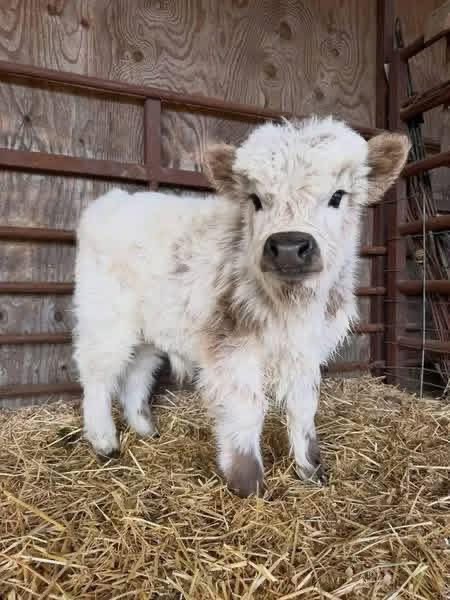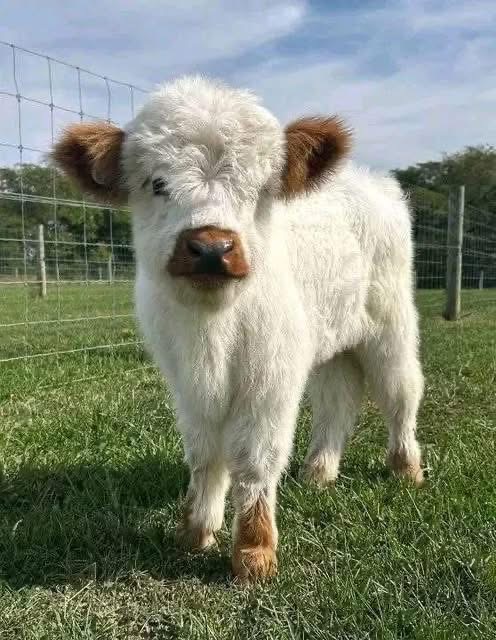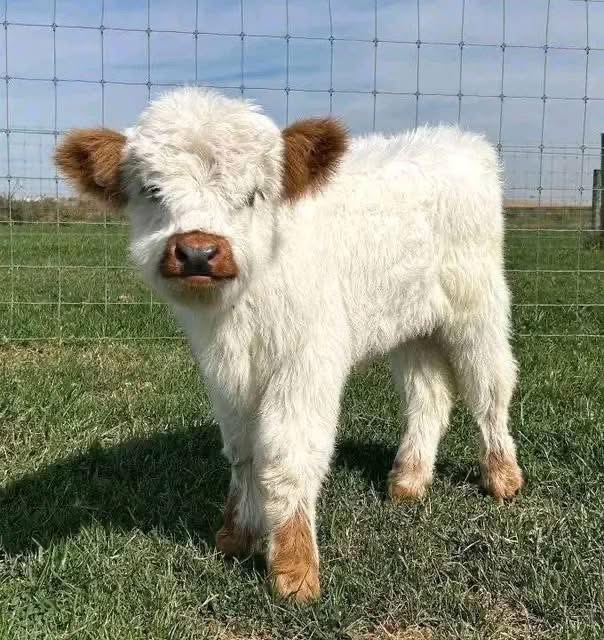
Weaning is one of the most important stages in calf development and long-term herd management. Although Mini Highland cows are naturally hardy animals with strong maternal instincts, separating calves from their mothers too early, too late, or without proper preparation can create major stress, nutritional, and health problems. Understanding the proper mini Highland cow weaning process helps owners improve calf growth, reduce stress, strengthen immune health, and create smoother transitions during herd management.
Many livestock owners underestimate how much stress weaning places on both:
- calves
- mother cows
Poor weaning management may lead to:
- weight loss
- reduced appetite
- illness
- weakened immunity
- excessive vocalization
- poor growth performance
Stress during weaning may also increase:
- respiratory problems
- digestive issues
- injury risks
- social instability within the herd
Fortunately, careful planning and proper calf management can dramatically improve the weaning experience while supporting healthier long-term development.
In this complete guide, you will learn the best mini Highland cow weaning process strategies, ideal weaning age recommendations, calf nutrition tips, stress reduction techniques, common weaning mistakes, and the most important calf development practices every owner should understand.
What Is the Mini Highland Cow Weaning Process?
The mini Highland cow weaning process refers to the gradual transition where calves stop nursing from their mothers and begin relying fully on independent feeding systems.
Good weaning management focuses on:
- nutrition
- stress reduction
- calf health
- safe separation
- gradual adjustment
- proper monitoring
A successful weaning process helps calves:
- maintain healthy weight
- continue growing properly
- develop stronger independence
- adjust socially within the herd
Proper planning improves both calf welfare and overall farm management significantly.
Why Proper Weaning Matters for Mini Highland Calves
Weaning affects several important parts of calf development.
Poor weaning practices may negatively affect:
- appetite
- digestion
- immune strength
- weight gain
- social behavior
Stressful separation sometimes weakens calves temporarily, making them more vulnerable to illness.
Good weaning systems help:
- reduce stress
- improve feed intake
- support healthy development
- maintain stronger body condition
Healthy transitions improve long-term herd productivity significantly.
12 Smart Weaning Strategies for Mini Highland Cattle
1. Choose the Right Weaning Age
Calves should be physically prepared before separation occurs.
Understanding mini Highland cow calf growth stages helps owners determine appropriate timing based on:
- body size
- feed intake
- overall health
- developmental progress
Proper timing improves transition success significantly.
2. Prepare Calves Before Separation
Calves should already understand:
- feeding routines
- water access
- grazing behavior
Preparation reduces confusion during weaning.
3. Reduce Stress During Weaning
Calm low-stress handling improves:
- appetite
- immune strength
- adjustment
Owners should avoid:
- rough handling
- overcrowding
- sudden environmental changes
4. Improve Nutrition Before Weaning
Following a balanced mini Highland cow feeding guide supports stronger calf development before separation begins.
Good nutrition improves:
- energy levels
- growth
- immune function
Well-fed calves generally handle weaning better.
5. Use Safe and Secure Fencing
Strong fencing helps prevent injuries and unnecessary stress.
Following proper mini Highland cow fence maintenance practices improves:
- safety
- separation control
- calmer weaning environments
Secure fencing also prevents accidental reunions.
6. Maintain Clean Water Access
Fresh water remains extremely important during weaning.
Hydration supports:
- digestion
- appetite
- recovery from stress
Clean water systems improve calf health significantly.
7. Monitor Calf Health Closely
Weaned calves should be monitored for:
- appetite changes
- coughing
- weakness
- diarrhea
- excessive stress
Early monitoring improves treatment success if problems develop.
8. Minimize Sudden Environmental Changes
Weaning already creates major adjustment stress.
Avoiding additional sudden changes improves:
- comfort
- adaptation
- feeding consistency
9. Reduce Overcrowding During Weaning
Crowded conditions increase:
- stress
- disease risks
- injuries
- feeding competition
Proper space improves calf comfort significantly.
10. Introduce Feed Gradually
Feed transitions should happen slowly.
Sudden diet changes may cause:
- digestive upset
- poor appetite
- reduced growth
Gradual adjustment supports healthier digestion.
11. Watch for Illness After Separation
Stress may temporarily weaken immune systems.
Owners should monitor calves carefully for:
- respiratory illness
- digestive problems
- dehydration
Quick treatment improves recovery significantly.
12. Create a Long-Term Weaning Plan
Successful farms maintain organized weaning schedules including:
- nutrition planning
- separation timing
- monitoring systems
- pasture preparation
Preparation improves overall herd management efficiency.
When Should Mini Highland Calves Be Weaned?
The ideal weaning age depends on several important factors including:
- calf development
- nutritional intake
- pasture quality
- weather conditions
- overall herd management goals
Calves should demonstrate:
- healthy feed intake
- stable growth
- good body condition
before full separation occurs.
Signs a Mini Highland Calf Is Ready for Weaning
Several signs indicate calves may be ready for weaning.
Independent Feeding
Calves should eat forage and feed confidently.
Healthy Body Condition
Strong growth indicates good nutritional development.
Reduced Nursing Dependence
Older calves often nurse less frequently naturally.
Good Hydration Habits
Calves should drink water independently.
Monitoring readiness improves weaning success significantly.
Common Weaning Methods for Mini Highland Cattle
Several weaning systems are commonly used.
Gradual Fence-Line Weaning
Allows visual contact between cow and calf while preventing nursing.
Full Separation Weaning
Complete separation occurs immediately.
Group Weaning Systems
Calves remain together for social stability.
The best method depends on:
- herd size
- farm setup
- management style
Low-stress systems generally improve outcomes.
How Nutrition Affects the Weaning Process
Nutrition strongly influences:
- growth
- immune function
- stress tolerance
Balanced feeding programs improve:
- weight maintenance
- digestion
- overall calf health
Good nutrition helps calves recover faster from separation stress.
Common Weaning Mistakes Owners Should Avoid
Weaning Too Early
Young underdeveloped calves may struggle after separation.
Sudden Diet Changes
Abrupt feed changes increase digestive problems.
Poor Fencing Systems
Weak fences increase stress and injury risks.
Ignoring Stress Symptoms
Stress may worsen illness risks quickly.
Overcrowding Calves
Crowded conditions increase disease exposure.
Strong planning reduces these problems significantly.
Managing Stress During Calf Separation
Stress management should become a top priority during weaning.
Important strategies include:
- calm handling
- familiar environments
- gradual transitions
- stable feeding routines
Reducing stress improves both:
- health
- growth performance
How to Support Healthy Growth After Weaning
Post-weaning management strongly affects long-term calf development.
Owners should focus on:
- balanced nutrition
- clean water
- dry bedding
- health monitoring
- pasture quality
Healthy calves continue developing efficiently after successful weaning.
Weaning and Herd Social Behavior
Calves experience social adjustment after separation.
Stable grouping systems help reduce:
- fighting
- anxiety
- excessive pacing
Social stability improves calf comfort significantly.
Seasonal Weaning Considerations
Different seasons create different weaning challenges.
Summer Weaning
Requires:
- heat stress management
- hydration monitoring
Winter Weaning
Requires:
- wind protection
- extra bedding
- cold stress monitoring
Rainy Season Weaning
Requires:
- mud control
- sanitation
- drainage management
Seasonal preparation improves calf health outcomes.
Weaning Sanitation and Disease Prevention
Clean environments reduce:
- bacterial exposure
- respiratory problems
- digestive illness
Good sanitation practices include:
- dry bedding
- clean feeding systems
- proper drainage
- manure management
Healthy environments support stronger calf recovery.
Long-Term Benefits of Proper Weaning Management
Strong weaning systems provide several major advantages.
Healthier Calves
Reduced stress improves development.
Better Weight Gain
Good nutrition supports continued growth.
Lower Illness Risks
Healthy calves maintain stronger immune function.
Improved Herd Stability
Organized weaning improves livestock management.
Better Farm Efficiency
Planned systems reduce labor and emergency problems.
Building a Sustainable Weaning Management System
Successful weaning systems combine:
- nutrition
- stress reduction
- sanitation
- health monitoring
- proper fencing
- gradual transitions
Consistent preparation improves long-term calf development significantly.
Final Thoughts on Mini Highland Cow Weaning Process
Understanding the proper mini Highland cow weaning process is essential for supporting healthier calf development, reducing stress, and maintaining stronger long-term herd management systems. Although Mini Highland cows are naturally hardy animals with strong maternal bonds, poor weaning practices can still create major health, nutritional, and behavioral problems when calves are separated without proper preparation.
By choosing the right weaning age, improving nutrition, maintaining secure fencing, reducing stress, monitoring health closely, and creating organized transition plans, owners can dramatically improve calf comfort and long-term growth success.
Whether you own a small hobby farm or a larger breeding operation, investing in strong weaning management practices helps create healthier, calmer, and more productive Mini Highland cattle for the future. Understanding proper mini Highland cow calf growth stages helps owners determine when calves are physically ready for a successful weaning transition. Following a balanced mini Highland cow feeding guide helps support healthier calf nutrition before and after the weaning process begins. Using effective mini Highland cow fence maintenance strategies helps create safer weaning areas and reduce stress during calf separation.
Reviewing professional calf weaning management practices can help cattle owners reduce stress and improve post-weaning calf health successfully. Following trusted beef calf nutrition recommendations helps farmers support healthy weight gain and stronger immune development after weaning.