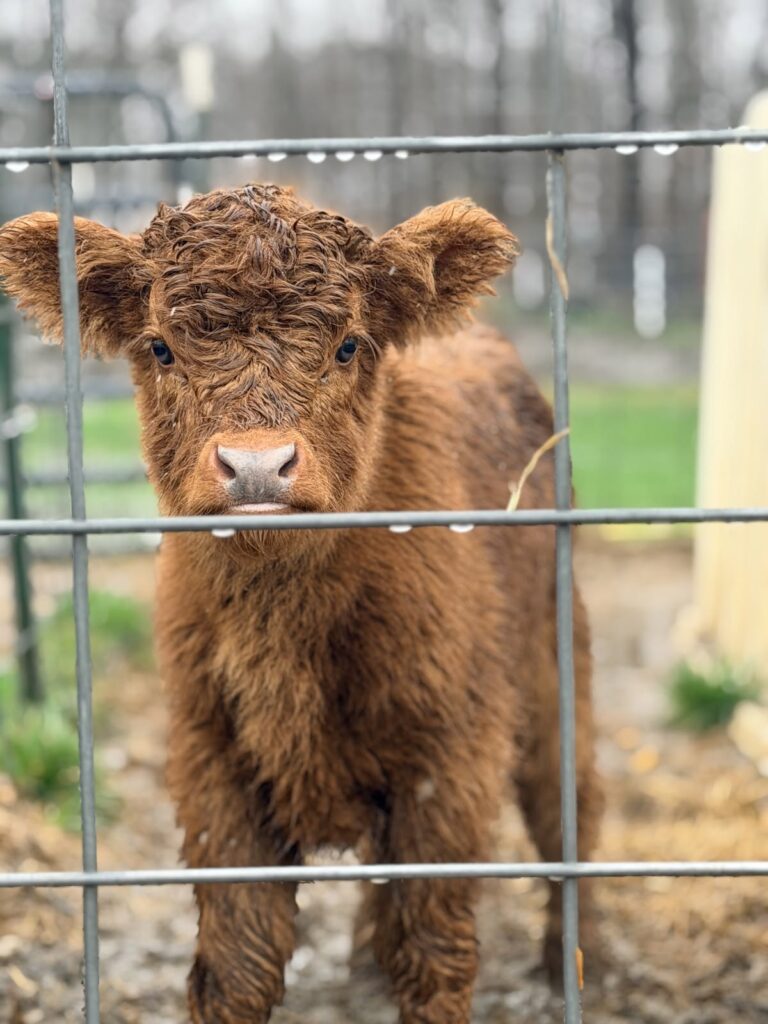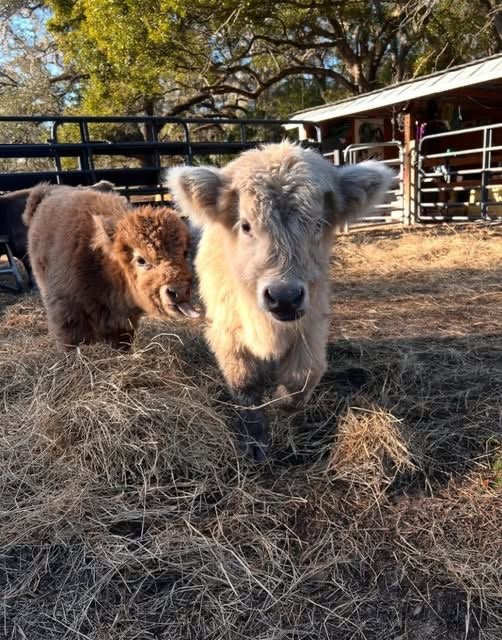
Strong fencing is one of the most important parts of successful cattle management. While many Mini Highland cow owners focus heavily on feeding, breeding, shelter design, and pasture management, poor fencing maintenance can quickly create dangerous safety problems for both cattle and farm owners. Understanding proper mini Highland cow fence maintenance helps prevent escapes, protect grazing areas, reduce injuries, and maintain safer long-term farm operations.
Mini Highland cows are generally calm and manageable animals, but they still require secure fencing systems that remain strong throughout changing weather conditions and seasonal farm activity. Weak or damaged fencing may lead to:
- cattle escapes
- injuries
- pasture damage
- predator exposure
- traffic accidents
- neighbor disputes
Fence maintenance also affects:
- rotational grazing systems
- feeding management
- breeding control
- overall farm organization
Even small fence problems can become serious if left unrepaired for long periods.
Fortunately, consistent inspection and preventive maintenance can greatly improve fence durability while reducing expensive emergency repairs later.
In this complete guide, you will learn the best mini Highland cow fence maintenance strategies, common fencing problems, seasonal repair tips, electric fence safety recommendations, and the most important farm protection practices every cattle owner should understand.
What Is Mini Highland Cow Fence Maintenance?
Mini Highland cow fence maintenance refers to the regular inspection, repair, and upkeep of livestock fencing systems used to safely contain cattle and protect farm property.
Good fence maintenance focuses on:
- structural strength
- gate security
- wire tension
- post stability
- vegetation control
- drainage
- long-term durability
Proper maintenance helps fencing systems remain:
- safe
- reliable
- weather-resistant
- effective for livestock control
Fence maintenance should become a routine part of overall farm management rather than something addressed only after major damage occurs.
Why Fence Maintenance Matters for Mini Highland Cows
Even calm cattle may pressure weak fencing systems during:
- feeding
- breeding
- storms
- stress situations
Poor fencing creates serious safety risks including:
- escaped cattle
- injuries
- road accidents
- damaged crops
- predator access
Strong fence systems improve:
- herd control
- grazing management
- farm organization
- overall livestock safety
Maintaining proper mini Highland cow fencing requirements helps owners protect both cattle and surrounding property.
12 Important Fence Maintenance Tips for Mini Highland Cow Farms
1. Inspect Fences Regularly
Routine inspection is one of the most important maintenance practices.
Owners should inspect:
- posts
- gates
- wire tension
- damaged boards
- electric systems
Frequent inspections help detect small problems before they become major repairs.
2. Repair Loose Fence Posts Quickly
Weak posts reduce overall fence strength significantly.
Loose posts may result from:
- moisture damage
- livestock pressure
- soil erosion
- age
Quick repairs improve long-term stability.
3. Check Wire Tension Frequently
Loose fencing wire allows cattle to pressure and damage fence systems more easily.
Proper tension improves:
- containment
- durability
- appearance
4. Remove Vegetation Around Fence Lines
Overgrown vegetation may:
- weaken fencing
- hide damage
- increase moisture exposure
Routine trimming improves visibility and maintenance access.
5. Replace Damaged Boards Immediately
Broken wooden boards may create:
- escape risks
- sharp edges
- structural weakness
Prompt replacement improves safety significantly.
6. Inspect Gates and Hinges
Gates receive heavy daily use.
Owners should inspect:
- latches
- hinges
- chains
- alignment
Poor gate maintenance often creates avoidable escape problems.
7. Prevent Mud Damage Around Fence Areas
Wet muddy soil weakens posts and increases erosion.
Following proper mini Highland cow rainy season care helps reduce long-term moisture damage near fence systems.
8. Improve Drainage Near Fence Lines
Poor drainage increases:
- wood rot
- post instability
- mud buildup
Gravel and runoff control improve fence durability significantly.
9. Monitor Electric Fence Systems Carefully
Electric fences require regular testing to maintain effectiveness.
Owners should inspect:
- voltage
- grounding systems
- insulators
- vegetation interference
Reliable electric systems improve livestock control.
10. Protect Fence Corners From Pressure
Fence corners experience high tension and livestock pressure.
Reinforced corner systems improve:
- stability
- durability
- long-term performance
11. Secure Feeding Areas Properly
Cattle often crowd fencing near feeding zones.
Strong barriers around feeding areas reduce pressure damage significantly.
12. Create a Long-Term Fence Maintenance Schedule
Preventive planning reduces emergency repairs and long-term costs.
Maintenance schedules should include:
- inspections
- seasonal repairs
- vegetation control
- post replacement
- gate servicing
Best Fence Types for Mini Highland Cows
Several fencing systems work well for Mini Highland cattle.
Wooden Board Fencing
Provides strong visibility and appearance.
Woven Wire Fencing
Offers reliable containment for many farms.
Electric Fencing
Works well for rotational grazing systems.
High-Tensile Wire
Provides durability and lower maintenance in larger pasture systems.
The best fence type depends on:
- herd size
- budget
- pasture layout
- management style
How Poor Fencing Affects Farm Safety
Weak fences increase several important risks.
Cattle Escapes
Escaped cattle may become injured or difficult to recover.
Traffic Accidents
Loose cattle near roads create dangerous situations.
Predator Exposure
Poor fencing increases vulnerability to predators.
Property Damage
Cattle may damage crops, landscaping, or neighboring property.
Strong fencing reduces these risks significantly.
Common Fence Problems During Rainy Seasons
Wet conditions often weaken fence systems through:
- erosion
- wood rot
- mud pressure
- shifting soil
Strong mini Highland cow rainy season care improves:
- drainage
- post stability
- overall fence durability
Routine rainy-season inspections are especially important.
Fence Maintenance During Winter Weather
Cold weather creates additional fence challenges.
Frozen Ground
Frozen soil may shift fence posts.
Snow Pressure
Heavy snow sometimes damages fencing.
Ice Accumulation
Ice increases strain on wire systems.
Routine winter inspections help reduce seasonal damage.
Electric Fence Safety Tips
Electric fencing requires careful management.
Owners should:
- test voltage regularly
- inspect grounding systems
- remove vegetation interference
- monitor damaged wires
Safe installation improves both effectiveness and livestock protection.
Common Fence Maintenance Mistakes Owners Should Avoid
Delaying Small Repairs
Minor damage often becomes major damage later.
Ignoring Drainage Problems
Wet conditions weaken posts quickly.
Allowing Vegetation Overgrowth
Heavy vegetation hides fence problems.
Using Weak Gate Systems
Poor gates often become major failure points.
Failing to Inspect Electric Systems
Unreliable voltage reduces fence effectiveness.
How Fence Maintenance Protects Pastures
Strong fencing supports rotational grazing systems and better pasture recovery.
Following a proper mini Highland cow farm layout improves:
- grazing control
- pasture rotation
- soil protection
- feeding organization
Well-maintained fences improve overall pasture sustainability.
Fence Maintenance and Herd Management
Good fencing improves:
- breeding control
- feeding efficiency
- pasture organization
- emergency handling
Reliable barriers simplify overall farm operations significantly.
Seasonal Fence Inspection Strategies
Different seasons require different maintenance priorities.
Spring
- inspect winter damage
- repair mud erosion
Summer
- control vegetation growth
- monitor electric systems
Fall
- prepare for winter weather
- strengthen weak areas
Winter
- inspect snow damage
- monitor frozen ground shifts
Seasonal planning improves long-term durability.
Long-Term Benefits of Proper Fence Maintenance
Strong fence maintenance provides several major advantages.
Improved Farm Safety
Reliable fences reduce escape risks.
Lower Repair Costs
Preventive maintenance reduces expensive emergencies.
Better Grazing Management
Controlled pasture access improves land recovery.
Healthier Cattle Management
Organized fencing simplifies herd control.
Improved Property Protection
Strong fences reduce property damage risks.
Building a Sustainable Fence Maintenance System
Successful fence systems combine:
- routine inspections
- preventive repairs
- drainage control
- vegetation management
- seasonal planning
Consistent maintenance improves long-term fence performance and farm safety.
Final Thoughts on Mini Highland Cow Fence Maintenance
Understanding proper mini Highland cow fence maintenance is essential for protecting cattle, improving farm safety, and maintaining stronger long-term livestock management systems. Although Mini Highland cows are generally calm and manageable animals, weak or poorly maintained fencing can still create serious risks involving escapes, injuries, pasture damage, and property loss.
By performing regular inspections, improving drainage, repairing damage quickly, maintaining electric systems carefully, and planning for seasonal weather conditions, owners can greatly improve fence durability while reducing emergency repair costs.
Whether you operate a small hobby farm or a larger breeding operation, investing in strong fence maintenance practices helps create safer, more organized, and more sustainable Mini Highland cattle management for years to come. Using a strong mini Highland cow fencing requirements setup helps owners create safer grazing systems and reduce escape risks across the farm. Maintaining effective mini Highland cow rainy season care practices helps reduce mud damage and fence weakening during prolonged wet weather. Following a proper mini Highland cow farm layout strategy helps owners position fencing systems more efficiently for safer herd management.
Reviewing professional livestock fencing repair recommendations can help cattle owners improve long-term fence durability and farm security. Following trusted farm perimeter safety guidelines helps livestock owners strengthen fencing systems and reduce cattle escape risks.