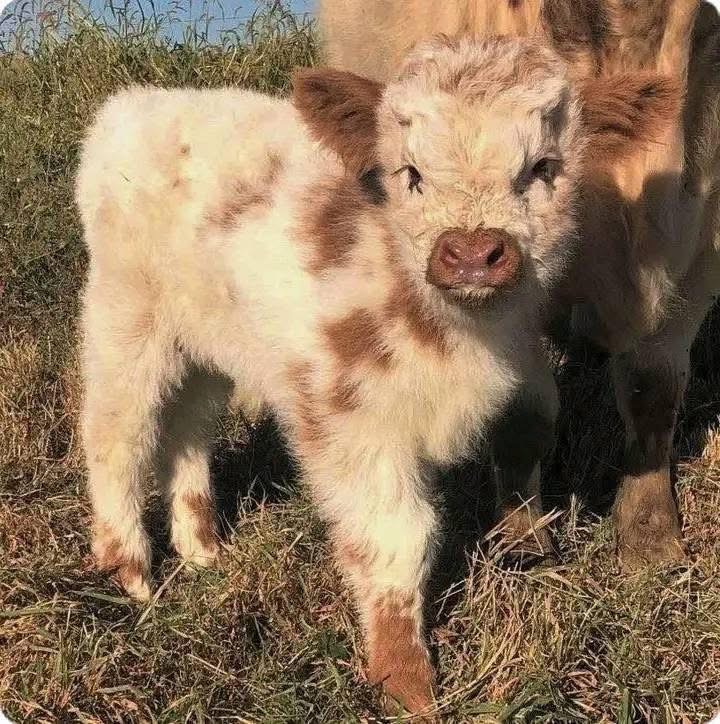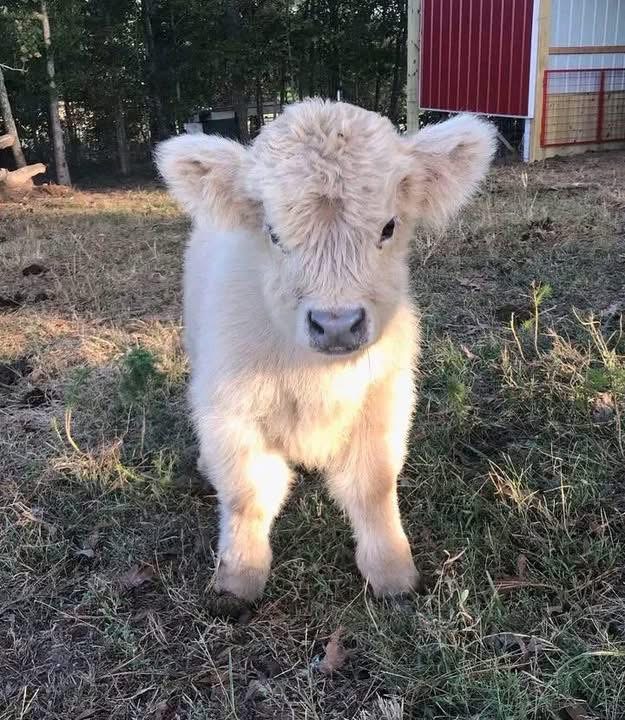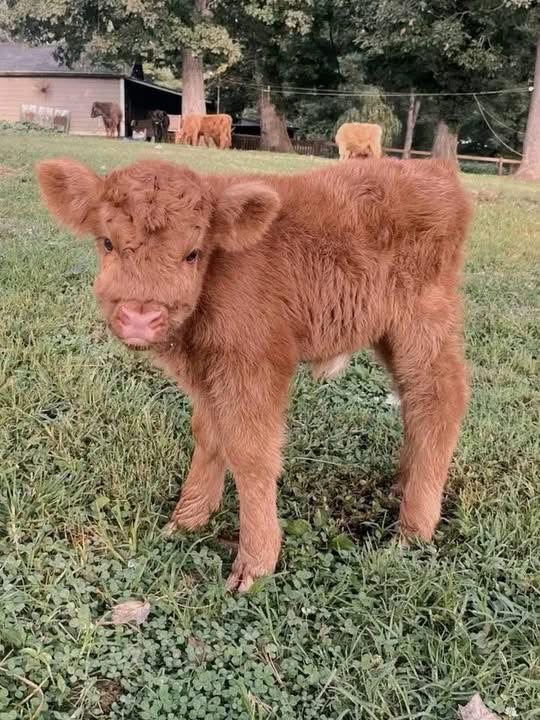
Parasites are one of the most common health problems affecting cattle farms throughout the world. Although Mini Highland cows are naturally hardy animals with strong adaptability, they are still vulnerable to both internal and external parasites when farm management practices are not properly maintained. Understanding proper mini Highland cow parasite prevention helps owners improve herd health, reduce disease risks, maintain stronger weight gain, and create safer long-term grazing environments.
Many livestock owners underestimate how much damage parasites can cause over time. Heavy parasite exposure may lead to:
- weight loss
- poor coat condition
- weakness
- digestive problems
- reduced fertility
- lower immune strength
- slower calf growth
Parasites also affect:
- pasture quality
- feeding efficiency
- overall farm productivity
Because many parasite problems develop gradually, early prevention and monitoring are extremely important.
Fortunately, strong management strategies can greatly reduce parasite pressure while improving overall cattle health naturally.
In this complete guide, you will learn the best mini Highland cow parasite prevention techniques, common warning signs, pasture management strategies, seasonal parasite risks, and the most important herd health practices every cattle owner should understand.
What Is Mini Highland Cow Parasite Prevention?
Mini Highland cow parasite prevention refers to the management practices used to reduce parasite exposure and protect cattle from internal and external infestations.
Good parasite prevention focuses on:
- sanitation
- pasture management
- drainage
- herd monitoring
- stress reduction
- quarantine procedures
- clean feeding systems
Effective prevention programs help reduce:
- illness
- weight loss
- poor growth
- pasture contamination
- veterinary complications
Long-term parasite control requires consistent management rather than occasional treatment alone.
Why Parasite Prevention Matters for Mini Highland Cows
Parasites weaken cattle gradually over time.
Even moderate infestations may negatively affect:
- appetite
- digestion
- nutrient absorption
- body condition
- reproductive performance
Young calves and stressed animals often become especially vulnerable.
Parasite problems may also increase:
- veterinary costs
- feed inefficiency
- pasture contamination
Healthy cattle generally perform better when parasite exposure remains low.
Common Parasites That Affect Mini Highland Cattle
Mini Highland cows may experience both internal and external parasite problems.
Internal Parasites
Common internal parasites include:
- stomach worms
- intestinal worms
- lungworms
These parasites often affect digestion and nutrient absorption.
External Parasites
External parasites include:
- ticks
- lice
- mites
- flies
External pests often irritate the skin and increase stress levels.
Understanding the different parasite types helps owners improve prevention planning.
14 Important Parasite Prevention Strategies for Mini Highland Cows
1. Rotate Pastures Regularly
Rotational grazing helps interrupt parasite life cycles naturally.
Maintaining strong mini Highland cow rotational grazing systems improves:
- pasture recovery
- sanitation
- parasite control
Overgrazed pastures often contain heavier parasite concentrations.
2. Maintain Clean Water Sources
Contaminated water increases infection risks.
Water systems should remain:
- clean
- dry around edges
- free from manure contamination
Clean water supports stronger herd health overall.
3. Prevent Overstocking
Crowded conditions increase:
- manure buildup
- parasite exposure
- pasture contamination
Adequate grazing space improves sanitation naturally.
4. Monitor Body Condition Frequently
Parasite problems often affect body condition gradually.
Owners should monitor:
- weight changes
- coat quality
- appetite
- energy levels
Routine observation improves early detection.
5. Improve Farm Drainage
Wet muddy conditions support parasite survival.
Following strong mini Highland cow rainy season care practices helps reduce moisture-related parasite pressure.
Good drainage improves sanitation significantly.
6. Remove Manure Buildup Consistently
Manure contains parasite eggs and larvae.
Routine cleaning helps reduce:
- contamination
- insect activity
- parasite development
Sanitation remains one of the most important prevention strategies.
7. Keep Feeding Areas Clean
Dirty feeding zones increase exposure risks.
Feed should remain protected from:
- mud
- manure
- standing water
Clean feeding systems improve digestion and overall herd health.
8. Maintain Dry Bedding Areas
Wet bedding encourages bacterial and parasite growth.
Dry bedding improves:
- comfort
- cleanliness
- skin health
Routine bedding replacement helps maintain healthier shelter conditions.
9. Reduce Stress Levels
Stress weakens immune function and increases vulnerability to parasites.
Calm cattle generally maintain stronger natural resistance.
10. Follow Proper Quarantine Procedures
New cattle should remain isolated before joining the herd.
Strong quarantine systems help reduce the spread of:
- parasites
- disease
- infections
Careful herd introduction improves long-term health protection.
11. Inspect Cattle for Warning Signs
Routine inspections help detect:
- hair loss
- diarrhea
- weakness
- scratching
- weight loss
Following a strong mini Highland cow health checklist improves monitoring consistency.
12. Work With a Livestock Veterinarian
Veterinary guidance helps owners:
- identify parasite problems
- develop prevention plans
- improve treatment timing
Professional advice supports safer long-term herd management.
13. Build a Seasonal Parasite Control Plan
Parasite risks change throughout the year.
Good seasonal planning improves:
- prevention timing
- monitoring
- pasture management
14. Maintain Long-Term Herd Health Records
Health records help track:
- treatments
- symptoms
- pasture rotation
- body condition changes
Good documentation improves long-term decision-making.
How Parasites Affect Mini Highland Cow Health
Parasites affect several important body systems.
Digestive Problems
Internal worms may reduce nutrient absorption.
Weight Loss
Poor digestion often lowers body condition gradually.
Skin Irritation
External parasites create:
- itching
- hair loss
- sores
Reduced Immune Strength
Heavy infestations weaken disease resistance.
Lower Reproductive Performance
Stress and poor nutrition may reduce fertility.
Strong prevention improves long-term cattle performance significantly.
Signs of Parasite Problems in Mini Highland Cows
Owners should monitor for:
- rough coat condition
- diarrhea
- weight loss
- poor appetite
- scratching
- weakness
- pale gums
- reduced growth
Early detection helps reduce severe health complications.
Internal vs External Parasites
Internal Parasites
Affect:
- digestion
- lungs
- nutrient absorption
External Parasites
Affect:
- skin
- comfort
- stress levels
Both parasite types require proper prevention planning.
How Pasture Management Reduces Parasites
Pasture management strongly influences parasite exposure.
Good grazing systems help:
- reduce contamination
- improve grass recovery
- interrupt parasite life cycles
Sustainable livestock grazing practices support healthier pasture conditions long-term.
Common Parasite Prevention Mistakes Owners Should Avoid
Overstocking Pastures
Heavy grazing pressure increases contamination quickly.
Ignoring Drainage Problems
Wet conditions support parasite survival.
Poor Quarantine Procedures
New animals may introduce parasite problems.
Inconsistent Monitoring
Delayed detection allows infestations to worsen.
Dirty Feeding Areas
Contaminated feed increases exposure risks.
Seasonal Parasite Risks Throughout the Year
Different seasons create different parasite challenges.
Spring
Warm wet conditions increase parasite development.
Summer
Heat and moisture may increase insect activity.
Fall
Pasture contamination may remain high.
Winter
Certain parasites survive inside shelters and muddy environments.
Seasonal planning improves long-term prevention success.
Natural Ways to Support Herd Health
Strong overall herd health improves parasite resistance naturally.
Important strategies include:
- balanced nutrition
- clean water
- dry shelter
- stress reduction
- pasture rotation
Healthy cattle generally tolerate environmental challenges more effectively.
Quarantine and Biosecurity Practices
Strong quarantine procedures help prevent new parasite introduction.
Biosecurity strategies should include:
- isolated observation areas
- equipment sanitation
- controlled herd introductions
Preventive management protects long-term herd stability.
Parasite Prevention and Calf Health
Young calves remain especially vulnerable to parasites because their immune systems are still developing.
Good calf management includes:
- clean bedding
- proper nutrition
- dry shelter
- regular monitoring
Healthy early development supports stronger long-term immunity.
Barn Sanitation and Parasite Reduction
Clean shelters reduce:
- moisture
- bacteria
- insect populations
- parasite survival
Routine sanitation improves overall herd health significantly.
Long-Term Benefits of Proper Parasite Prevention
Strong parasite management provides several important advantages.
Healthier Cattle
Reduced infestations improve comfort and performance.
Better Weight Maintenance
Healthy digestion improves feed efficiency.
Lower Veterinary Costs
Preventive management reduces severe illness risks.
Improved Pasture Quality
Reduced contamination supports better grazing systems.
Stronger Herd Productivity
Healthy cattle generally reproduce and grow more efficiently.
Building a Sustainable Parasite Prevention System
Successful parasite prevention combines:
- pasture rotation
- sanitation
- monitoring
- quarantine
- drainage
- stress reduction
No single treatment completely solves parasite problems permanently.
Consistent long-term management provides the best protection.
Final Thoughts on Mini Highland Cow Parasite Prevention
Understanding proper mini Highland cow parasite prevention is essential for maintaining healthier cattle, improving pasture quality, and creating safer long-term farm management systems. Although Mini Highland cows are naturally hardy animals, parasites can still gradually weaken herd health through digestive problems, stress, poor body condition, and reduced immune function when prevention strategies are neglected.
By improving sanitation, rotating pastures carefully, reducing overcrowding, maintaining clean water sources, monitoring cattle regularly, and following strong quarantine procedures, owners can dramatically lower parasite exposure while supporting stronger overall herd performance.
Whether you own a small hobby farm or a larger breeding operation, investing in consistent parasite prevention strategies helps create healthier, more productive, and more sustainable Mini Highland cattle management for the future. Following proper mini Highland cow rainy season care practices helps reduce wet muddy conditions that often increase parasite exposure on livestock farms. Maintaining strong mini Highland cow rotational grazing systems helps reduce pasture contamination and lower long-term parasite pressure naturally. Using a detailed mini Highland cow health checklist allows owners to detect early parasite symptoms before they become severe herd health problems.
Reviewing professional cattle parasite management resources can help livestock owners improve herd health and reduce internal parasite problems naturally. Following trusted sustainable livestock grazing practices helps farmers lower pasture contamination and improve long-term parasite prevention strategies.