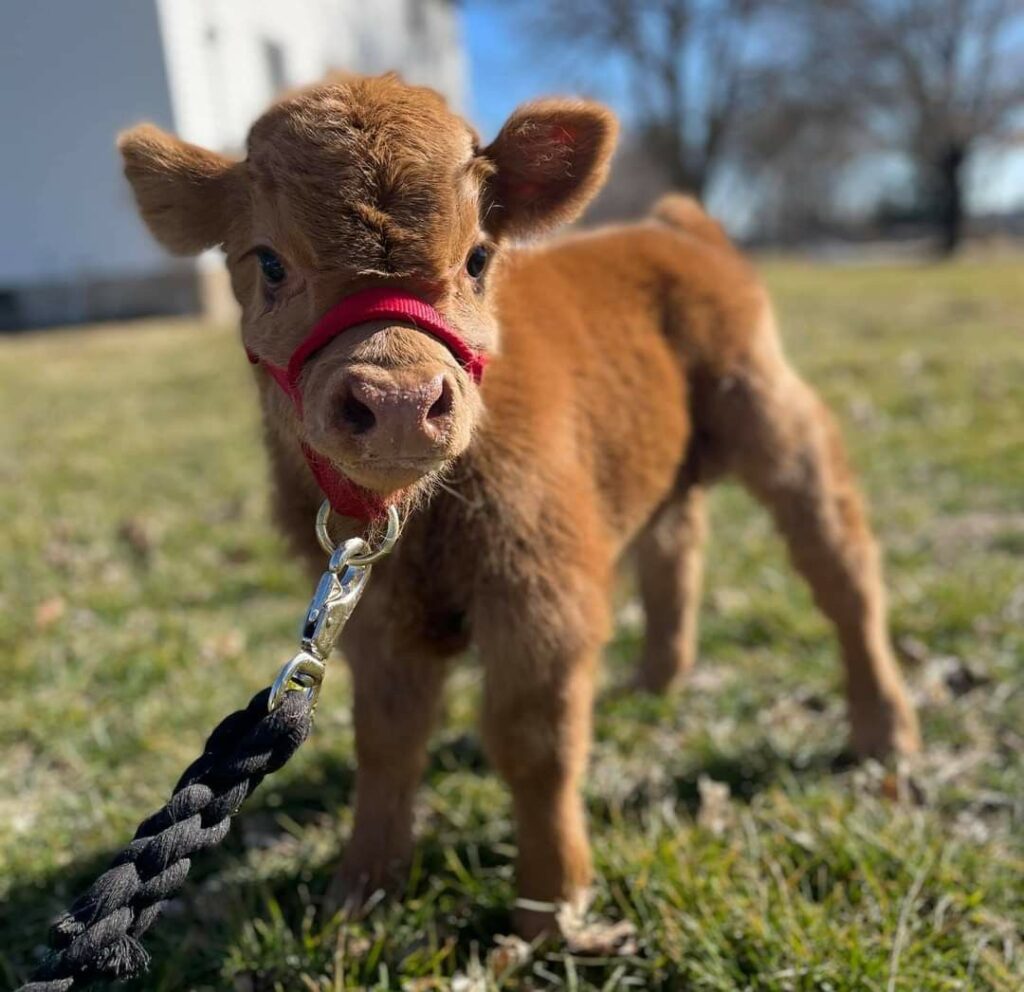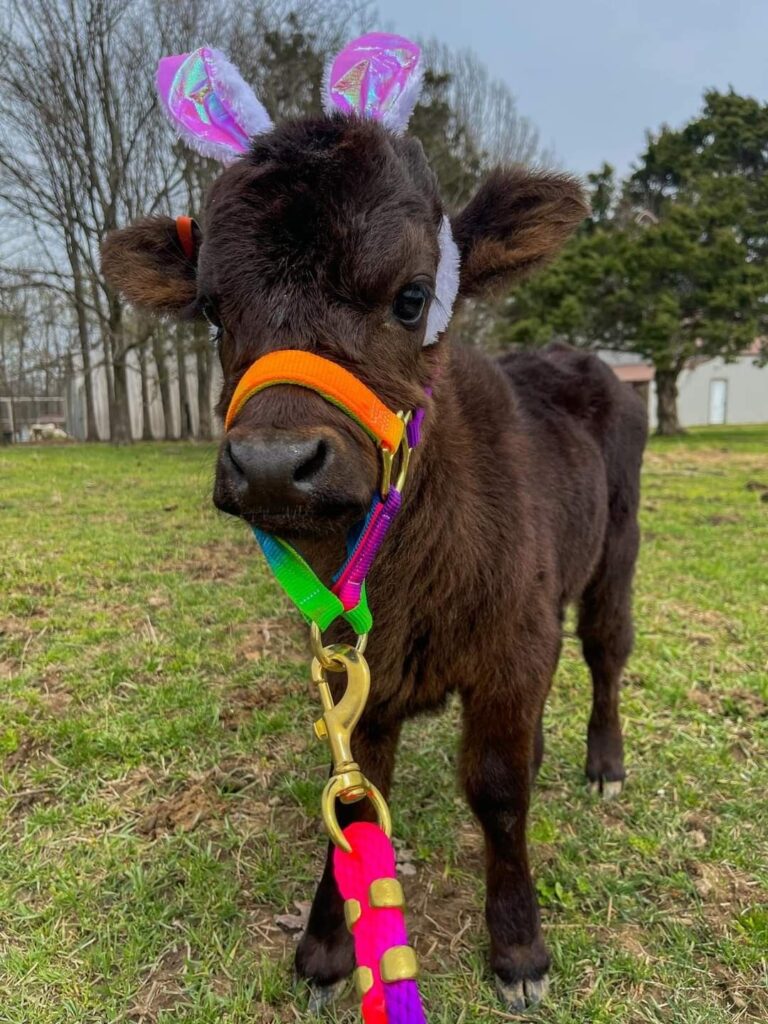
Artificial insemination has become one of the most important tools in modern cattle breeding. As Mini Highland cattle continue growing in popularity among breeders and hobby farmers, many owners are beginning to explore mini Highland cow artificial insemination as a way to improve genetics, access superior bloodlines, and manage breeding programs more efficiently.
Artificial insemination, often called AI, allows breeders to introduce high-quality genetics into their herds without keeping a breeding bull on the property. This breeding method offers several advantages including improved genetic diversity, lower long-term breeding costs, reduced injury risks, and better herd planning.
However, successful artificial insemination requires proper timing, careful fertility management, strong nutrition, accurate heat detection, and good overall herd health. Poor preparation or incorrect breeding timing can reduce conception success significantly.
In this complete guide, you will learn how mini Highland cow artificial insemination works, the benefits and challenges involved, how breeders improve pregnancy success, and the most important breeding factors every cattle owner should understand.
What Is Mini Highland Cow Artificial Insemination?
Mini Highland cow artificial insemination is a breeding process where collected semen from a selected bull is manually introduced into a female cow’s reproductive tract without natural mating.
This method allows breeders to:
- access superior genetics
- improve bloodlines
- reduce breeding risks
- control mating more carefully
Artificial insemination has become widely used across the cattle industry because it allows breeders to improve herd quality without maintaining multiple breeding bulls.
Mini Highland breeders often use AI to introduce:
- stronger genetics
- desirable coat colors
- calmer temperament
- improved fertility
- better structural traits
into future generations.
Why Some Breeders Use Artificial Insemination
Many breeders choose AI because it offers greater flexibility and genetic control.
Artificial insemination may help:
- improve calf quality
- reduce inbreeding
- lower injury risks
- access rare bloodlines
- improve reproductive planning
- reduce long-term breeding expenses
Maintaining breeding bulls can become expensive and sometimes dangerous, especially on small farms.
AI allows smaller operations to access elite genetics without managing a full-time bull.
How Artificial Insemination Works in Mini Highland Cattle
The process begins by monitoring the female cow for signs of heat, also known as estrus.
Once the cow reaches the correct breeding stage:
- semen is thawed carefully
- specialized breeding equipment is used
- semen is placed into the reproductive tract
Proper timing is extremely important because fertility windows remain relatively short.
After insemination:
- pregnancy monitoring begins
- stress should remain minimal
- nutrition becomes especially important
Professional veterinary support often improves success rates significantly.
12 Important Facts About Mini Highland Cow Artificial Insemination
1. Artificial Insemination Improves Genetic Selection
AI allows breeders to select specific bloodlines and genetic traits more carefully.
Learning mini Highland cow genetics explained helps owners make smarter breeding decisions.
2. Timing Is Extremely Important
Breeding too early or too late may reduce conception success.
Heat timing remains one of the most critical factors in AI programs.
3. Heat Detection Affects Success Rates
Breeders must recognize signs of estrus accurately.
Common heat signs include:
- increased activity
- mounting behavior
- vocalization
- swollen vulva
- mucus discharge
4. Semen Quality Matters
High-quality semen improves conception rates and calf development potential.
Proper semen storage and handling are essential.
5. Proper Nutrition Supports Fertility
Balanced nutrition supports:
- reproductive health
- hormone balance
- pregnancy success
Poor nutrition often reduces conception rates.
6. Artificial Insemination Can Reduce Breeding Costs
AI may reduce:
- bull maintenance expenses
- fencing costs
- injury risks
- feed expenses
Long-term breeding programs often become more efficient.
7. Stress Reduces Pregnancy Success
Stress negatively affects fertility.
Breeding cattle should remain calm and comfortable during AI programs.
8. Veterinary Experience Improves Results
Experienced reproductive specialists often achieve higher conception success.
Professional support becomes especially valuable for beginners.
9. AI Helps Access Better Bloodlines
Breeders can use semen from elite bulls located anywhere in the country or even internationally.
This improves genetic diversity significantly.
10. Record Keeping Is Essential
Accurate records help track:
- breeding dates
- fertility history
- bloodlines
- pregnancy success
Good records improve long-term breeding management.
11. Pregnancy Monitoring Matters
Early pregnancy checks help breeders:
- confirm conception
- monitor herd progress
- plan calving schedules
12. Genetics Still Require Careful Planning
AI alone does not guarantee quality calves.
Responsible breeding still requires:
- healthy cows
- proper structure
- good temperament
- balanced genetics
Best Age for Artificial Insemination in Mini Highland Cows
Breeding females should reach proper maturity before insemination.
Breeding too early may create:
- calving difficulties
- health complications
- poor growth
Healthy mature cattle generally experience better reproductive success.
Understanding Heat Cycles in Mini Highland Cattle
The estrus cycle controls fertility timing.
Successful AI depends on identifying:
- heat onset
- standing heat
- ovulation timing
Heat cycles typically repeat every few weeks when cows are not pregnant.
Careful observation improves breeding efficiency significantly.
Advantages of Artificial Insemination
Artificial insemination offers several important advantages.
Improved Genetics
Breeders gain access to superior bloodlines.
Better Herd Planning
Controlled breeding improves management.
Reduced Bull Management
Owners avoid maintaining dangerous breeding bulls.
Lower Injury Risks
AI reduces aggressive breeding behavior.
Increased Genetic Diversity
Broader genetics improve herd quality long-term.
Potential Challenges and Risks
AI also presents certain challenges.
Heat Detection Errors
Incorrect timing reduces conception rates.
Equipment Costs
Proper breeding equipment requires investment.
Technical Skill Requirements
AI procedures require training and experience.
Fertility Problems
Some cattle naturally experience lower reproductive success.
Artificial Insemination vs Natural Breeding
Both breeding methods offer advantages.
Artificial Insemination Benefits
- better genetics
- safer management
- improved planning
Natural Breeding Benefits
- less technical management
- simpler breeding process
- lower immediate labor requirements
Breeders should choose based on:
- herd goals
- experience level
- farm size
- management preferences
How to Prepare Mini Highland Cows for AI
Preparation strongly affects success rates.
Important preparation steps include:
- health evaluation
- balanced nutrition
- parasite management
- stress reduction
- reproductive monitoring
Healthy cattle conceive more successfully.
Common Artificial Insemination Mistakes
Poor Timing
Incorrect heat timing remains one of the biggest problems.
Weak Nutrition
Poor feeding reduces fertility.
Ignoring Genetics
Bad genetic planning creates long-term herd problems.
Inadequate Record Keeping
Missing records complicate breeding management.
Excessive Stress
Stress negatively affects reproduction.
Pregnancy Success and Calf Development
Successful pregnancy depends on:
- strong genetics
- maternal health
- nutrition
- stress management
Understanding mini Highland cow calf growth stages helps breeders evaluate calf performance after birth.
Healthy calves often reflect strong breeding decisions and proper pregnancy management.
Artificial Insemination and Herd Improvement
AI programs may improve:
- calf quality
- fertility
- herd consistency
- market value
- long-term breeding success
Careful genetic planning supports stronger future generations.
Long-Term Benefits of Responsible AI Programs
Responsible AI programs provide several long-term advantages.
Better Genetics
Improved bloodlines strengthen herd quality.
Lower Breeding Risks
Reduced bull injuries improve farm safety.
Improved Reproductive Planning
Calving schedules become easier to manage.
Stronger Market Appeal
High-quality genetics improve breeder reputation.
Building a Sustainable Breeding Program
Successful breeders combine:
- genetics
- nutrition
- fertility management
- health monitoring
- accurate records
AI should support long-term herd improvement rather than short-term trends.
Final Thoughts on Mini Highland Cow Artificial Insemination
Mini Highland cow artificial insemination has become a valuable breeding tool for owners seeking stronger genetics, healthier calves, and more controlled breeding programs. While AI offers major advantages such as improved bloodline access, reduced bull management, and greater herd planning flexibility, successful results still require proper timing, nutrition, health management, and responsible breeding decisions.
Understanding fertility cycles, maintaining accurate records, selecting quality genetics, and reducing cattle stress all contribute to higher conception success and healthier calf development.
Whether you operate a small hobby farm or a growing breeding program, responsible artificial insemination practices can help strengthen herd quality, improve long-term breeding outcomes, and support a healthier future for Mini Highland cattle. Learning mini Highland cow genetics explained helps breeders make smarter artificial insemination decisions when selecting stronger bloodlines and healthier genetic traits. Following a complete mini Highland cow breeding guide helps owners understand breeding timing, fertility management, and long-term herd improvement strategies. Understanding proper mini Highland cow calf growth stages helps breeders evaluate calf development and long-term genetic performance after successful breeding.
Reviewing professional cattle artificial insemination resources helps breeders better understand fertility timing, semen handling, and reproductive management practices. Following trusted livestock reproductive management guidelines can help cattle owners improve breeding success and long-term herd quality.