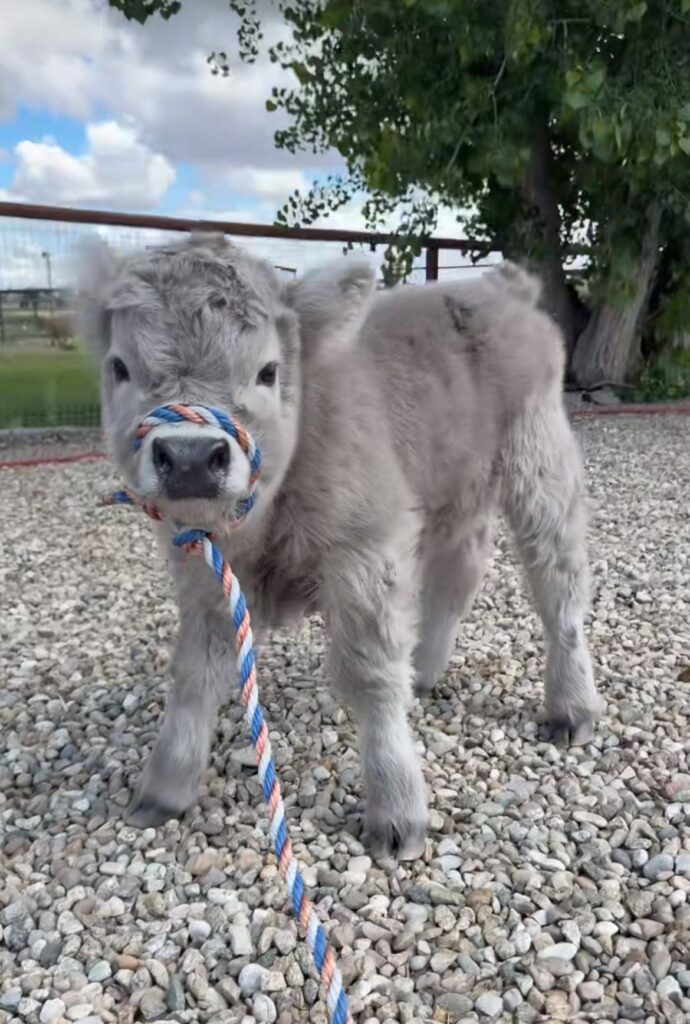
Mini Highland Cow Cost of Ownership: 9 Hidden Expenses You Must Know Before Buying
Mini Highland cow cost of ownership is one of the most important factors potential buyers must evaluate before bringing these animals onto their property. While Mini Highland cows are often marketed as low-maintenance livestock, the reality is that they require consistent financial commitment for proper care, health, and long-term management. The mini highland cow cost of ownership is one of the most important factors every buyer should understand before making a purchase.
This guide breaks down every major expense involved so you can make an informed decision.
Why Understanding Ownership Costs Matters
Many first-time buyers focus only on the upfront purchase price, which can range from a few hundred to several thousand dollars depending on pedigree and size. However, the real cost comes from ongoing care.
Failing to budget properly can lead to:
- Poor animal health
- Inadequate living conditions
- Unexpected financial stress
Planning ahead ensures both you and your animals thrive.
1. Initial Purchase Cost
The first and most obvious expense is the purchase price.
Mini Highland cows typically cost:
- $1,500 to $5,000 for standard quality
- $5,000+ for premium genetics
Factors affecting price:
- Age
- Gender
- Size
- Breeding quality
While this is a one-time cost, it sets the foundation for your investment.
2. Land and Space Requirements
Even though they are smaller than standard cattle, Mini Highland cows still need adequate grazing space.
Typical requirements:
- 0.5 to 1 acre per cow (depending on pasture quality)
Costs may include:
- Land purchase or lease
- Pasture maintenance
- Soil improvement
Proper land management reduces feeding costs long-term.
3. Feed and Nutrition Costs
Feeding is one of the largest ongoing expenses.
Annual feed costs include:
- Hay during dry seasons
- Supplemental grains
- Mineral blocks
Average yearly estimate:
- $300 to $800 per cow
Seasonal changes can significantly impact feeding expenses.
4. Water Supply and Infrastructure
Clean, accessible water is essential.
Costs may include:
- Water troughs
- Plumbing systems
- Storage tanks
Dehydration can quickly lead to health issues, making this a non-negotiable expense. Many new farmers underestimate the true mini highland cow cost of ownership, especially when ongoing maintenance is included.
5. Shelter and Protection
Mini Highland cows require protection from extreme weather.
Expenses include:
- Building shelters
- Repair and maintenance
- Bedding materials
A good shelter reduces stress and improves overall health. When evaluating the mini highland cow cost of ownership, it’s essential to consider feed, shelter, and healthcare expenses over time.
6. Veterinary and Health Care Costs
Routine and emergency care must be considered.
Typical costs:
- Vaccinations
- Deworming
- Vet visits
Annual estimate:
- $100 to $400 per cow
Unexpected emergencies can increase this significantly.
7. Fencing and Security
Proper fencing keeps your animals safe.
Costs include:
- Materials (wood, wire, electric fencing)
- Installation
- Maintenance
Strong fencing prevents escapes and protects against predators.
8. Equipment and Tools
Basic tools are necessary for daily management.
Examples:
- Feeders
- Grooming tools
- Handling equipment
These are often overlooked but essential.
9. Time and Labor Costs
Even if you don’t hire help, your time has value.
Daily responsibilities:
- Feeding
- Cleaning
- Health checks
Hiring labor increases costs but reduces workload.
Hidden Costs Most Owners Ignore
Beyond obvious expenses, there are hidden costs such as:
- Transportation
- Insurance
- Breeding fees
- Replacement equipment
These can add up over time.
Monthly vs Yearly Cost Breakdown
Monthly:
- Feed
- Water
- Basic care
Yearly:
- Vet care
- Maintenance
- Repairs
Planning both short-term and long-term expenses is critical.
Cost-Saving Tips for Owners
To reduce expenses:
- Use rotational grazing
- Buy feed in bulk
- Perform routine checks yourself
- Maintain equipment regularly
Smart management reduces long-term costs.
Is Owning a Mini Highland Cow Worth It?
Despite the costs, many owners find them highly rewarding.
Benefits include:
- Companionship
- Sustainable farming
- Unique livestock investment
The key is proper planning. Understanding the full mini highland cow cost of ownership will help you make smarter and more profitable decisions.
Final Thoughts
Mini Highland cow cost of ownership goes far beyond the initial purchase. By understanding all expenses involved, you can make smarter decisions and provide a better life for your animals while protecting your investment. Understanding how to properly manage feeding routines can significantly reduce long-term expenses while maintaining optimal animal health.
Also a properly designed housing setup not only protects your cattle but also helps minimize repair costs and improve overall efficiency on your farm. More so following a consistent health monitoring routine helps prevent costly treatments by identifying issues before they become serious problems. You can also check out our available mini highland cows for sale here. Understanding livestock ownership costs can be improved by reviewing agricultural financial planning resources provided by industry experts.
provided by industry experts.