Introduction
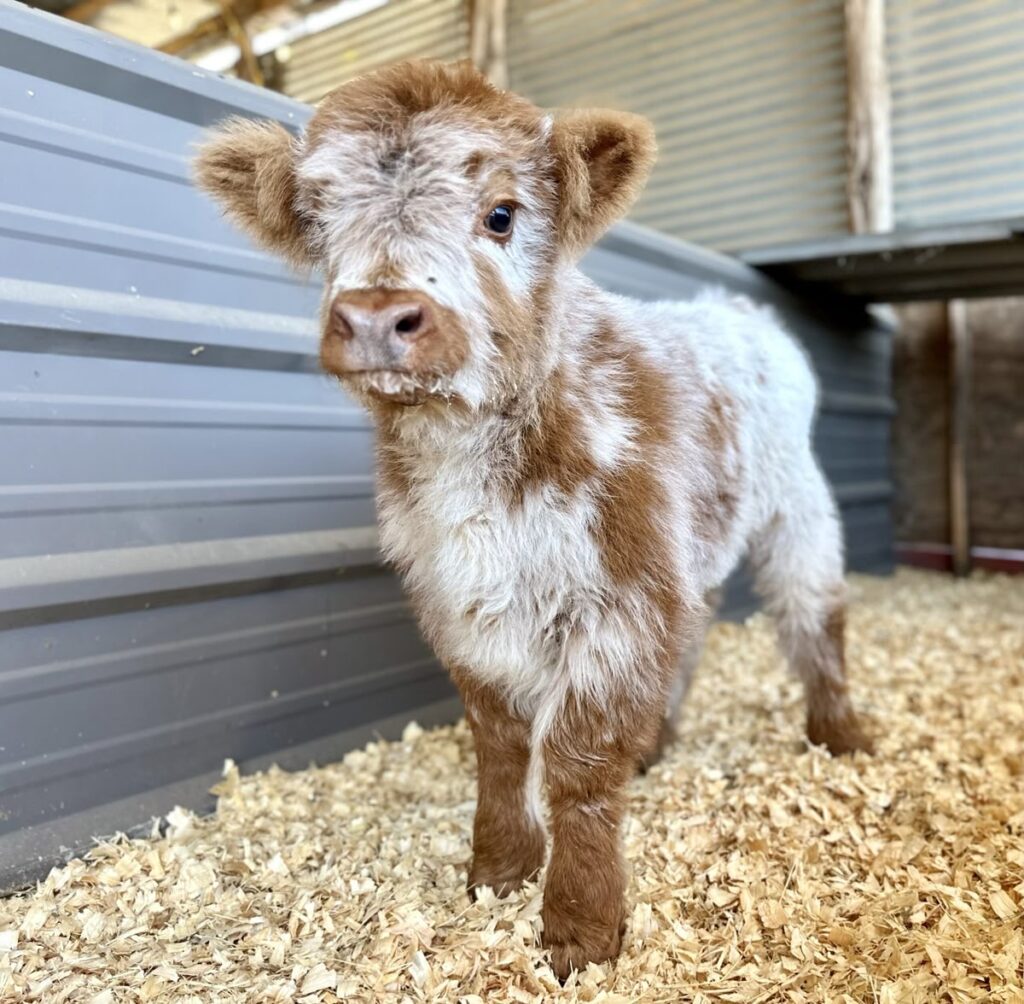
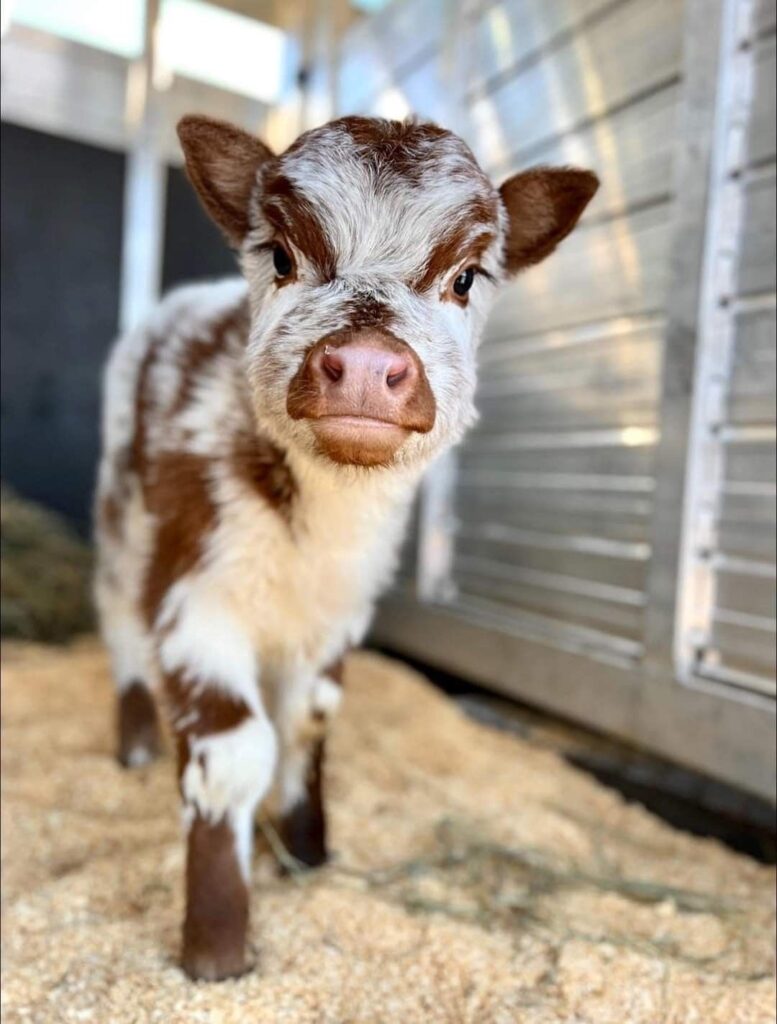
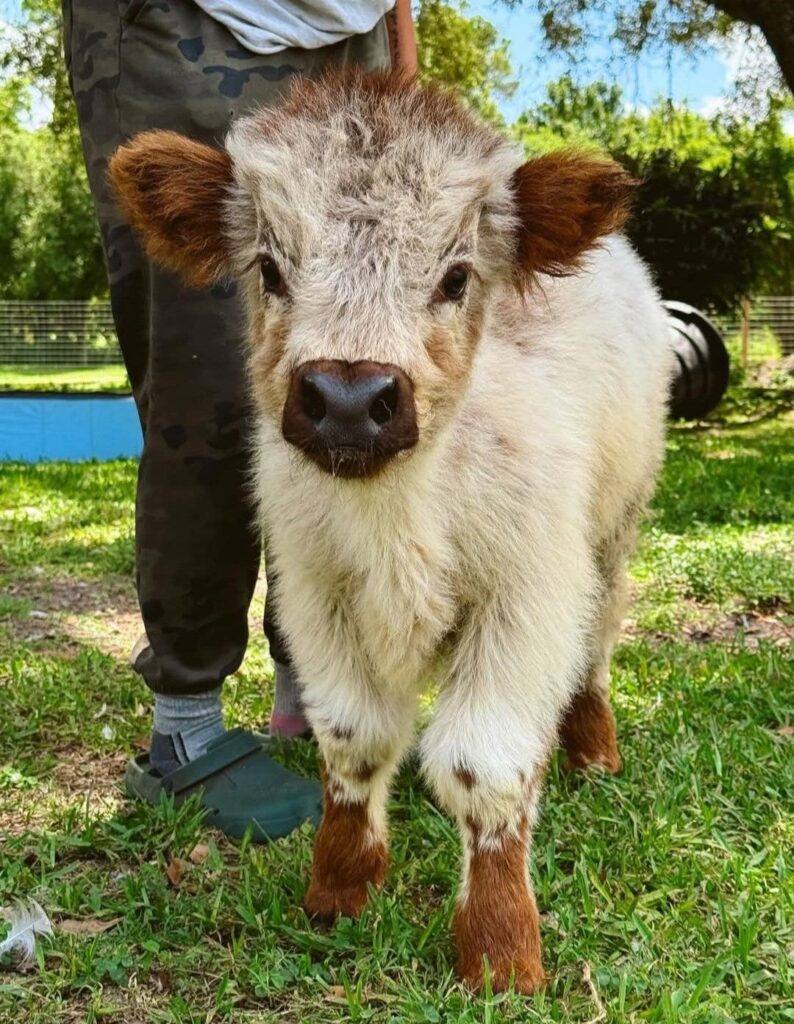
Mini Highland cows are famous for their beautiful shaggy coats, long bangs, and fluffy appearance. Their unique hair is one of the main reasons so many people love this breed. However, maintaining that iconic look requires proper grooming and the right equipment. Using the best mini highland cow grooming tools helps keep your cattle healthy, comfortable, and attractive throughout the year.
Many first-time owners underestimate how important grooming is for Highland cattle. Their thick double coats can trap dirt, moisture, mud, parasites, and loose hair if not maintained properly. Poor grooming may eventually lead to skin irritation, matting, hoof issues, and unhealthy coat conditions.
This guide covers the best mini highland cow grooming tools every owner should have. Whether you are raising cattle for breeding, family farming, pet ownership, or show preparation, these grooming essentials will make caring for your animals easier and more effective.
Why Grooming Matters for Mini Highland Cows
Regular grooming is not just about appearance. Grooming plays a major role in overall cattle health and comfort. Mini Highland cows have longer coats than many other breeds, which means their hair needs more maintenance throughout the year.
Benefits of regular grooming include:
- Removes loose hair and dirt
- Prevents painful matting
- Improves skin circulation
- Helps detect injuries early
- Reduces parasites and flies
- Keeps cattle cleaner during wet seasons
- Improves coat shine and health
- Makes cattle easier to handle
Proper grooming also strengthens the bond between owners and their cattle. Mini Highland cows that are groomed regularly often become calmer and easier to manage during veterinary visits or transportation.
Essential Grooming Tools Every Owner Needs
When building your grooming kit, focus on tools designed for thick-coated livestock. Cheap or weak tools often fail to handle Highland hair effectively.
The most important mini highland cow grooming tools include:
- Slicker brushes
- Shedding combs
- Heavy-duty livestock clippers
- Hoof trimming tools
- Detangling sprays
- Grooming gloves
- Fly control brushes
- Shampoo supplies
- Towels and drying equipment
- Grooming stands or halters
- Scissors and finishing combs
Each tool serves a specific purpose and helps maintain healthy coats year-round.
Best Brushes for Highland Cow Coats
Brushes are among the most important grooming tools for Mini Highland cattle. Since their coats are thick and layered, regular brushing prevents tangles and buildup.
Slicker Brushes
Slicker brushes are excellent for removing loose hair and surface dirt. They help fluff the coat while improving circulation underneath the hair.
Benefits include:
- Removes dead hair
- Prevents knots
- Improves coat appearance
- Reduces mud buildup
Brush gently around sensitive areas like the face and belly.
Pin Brushes
Pin brushes work well for daily maintenance. They help separate long strands without pulling excessively on the hair.
Curry Combs
Rubber curry combs are useful during shedding season. They loosen dead undercoat hair while stimulating natural oil production.
Why Shedding Combs Are Important
Mini Highland cows naturally shed during warmer months. Without proper grooming, loose hair can become trapped in the coat and create mats.
A good shedding comb removes thick undercoat buildup safely.
Advantages include:
- Faster seasonal shedding
- Reduced overheating
- Cleaner coat texture
- Better airflow to the skin
Use shedding combs slowly and avoid aggressive pulling. Grooming sessions should remain comfortable for the animal.
Choosing the Right Clippers
Livestock clippers are useful for trimming excess hair around specific areas.
Owners often trim:
- Around the eyes
- Near the udder
- Tail regions
- Hoof areas
- Excessively matted spots
Choose heavy-duty clippers designed for livestock rather than human hair clippers. Highland coats are thick and can quickly damage weaker equipment.
Look for clippers with:
- Strong motors
- Replaceable blades
- Low heat generation
- Quiet operation
Quiet clippers help reduce stress for nervous cattle.
Hoof Care and Trimming Tools
Healthy hooves are essential for Mini Highland cow mobility and long-term health.
Essential hoof grooming tools include:
- Hoof picks
- Hoof knives
- Trimming shears
- Hoof rasps
Regular hoof inspection helps prevent:
- Hoof rot
- Cracks
- Overgrowth
- Infection
- Lameness
Clean hooves frequently, especially during rainy seasons when mud buildup becomes common.
Detangling Long Highland Hair Properly
Mini Highland cattle are famous for their long hair, but that hair can become tangled quickly if neglected.
Use livestock-safe detangling sprays before brushing heavily knotted areas.
Tips for safe detangling:
- Start from the ends
- Work slowly upward
- Avoid pulling aggressively
- Separate large mats by hand first
- Use wide-tooth combs carefully
Severe matting may require trimming in some situations.
Bathing and Cleaning Supplies
Bathing is occasionally necessary for heavily soiled cattle or show preparation.
Recommended grooming supplies include:
- Livestock shampoo
- Buckets
- Spray nozzles
- Soft towels
- Drying brushes
Never use harsh household soaps because they may irritate cattle skin.
Bathing frequency depends on climate and living conditions. Overbathing can strip natural oils from the coat.
Fly Control Grooming Equipment
Flies and insects can irritate Mini Highland cows significantly during warm weather.
Useful fly-control grooming tools include:
- Fly brushes
- Fly spray applicators
- Dusting brushes
- Grooming mitts
Regular grooming helps owners identify parasite problems early before they become severe.
Keeping cattle areas clean also reduces fly populations naturally.
Winter Grooming Tips
Mini Highland cows are naturally cold-hardy animals, but winter grooming still matters.
Winter grooming focuses on:
- Removing mud buildup
- Preventing ice clumps
- Keeping coats dry
- Checking for skin irritation
Avoid overtrimming during winter because the thick coat provides insulation against freezing temperatures.
Brush gently during colder months to avoid damaging dry winter hair.
Grooming Mistakes Beginners Should Avoid
Many new owners unintentionally create grooming problems by using improper techniques.
Common mistakes include:
Overwashing
Too many baths remove natural oils and dry out the coat.
Using Cheap Brushes
Weak brushes often break or fail to penetrate thick Highland coats.
Ignoring Hooves
Hoof care is just as important as coat grooming.
Pulling Mats Aggressively
This causes pain and stress for cattle.
Inconsistent Grooming
Irregular grooming allows dirt and tangles to build rapidly.
Creating a Grooming Routine
Consistency is the key to healthy Mini Highland cattle.
A simple grooming schedule may include:
Daily
- Quick visual inspection
- Light brushing if necessary
Weekly
- Full brushing session
- Hoof inspection
- Fly control treatment
Monthly
- Deeper coat maintenance
- Trimming problem areas
- Equipment cleaning
Seasonal
- Heavy shedding removal
- Winter coat preparation
- Mud management adjustments
Routine grooming also makes cattle easier to train and handle.
Grooming for Show Preparation
Owners preparing Mini Highland cows for exhibitions often invest more time into coat conditioning and styling.
Show grooming may include:
- Intensive brushing
- Coat shaping
- Blow drying
- Detailed clipping
- Extra bathing sessions
Healthy nutrition also improves coat quality significantly.
Grooming Young Calves
Young Mini Highland calves should become familiar with grooming early in life.
Benefits of early grooming training include:
- Reduced fear
- Easier future handling
- Better owner bonding
- Improved temperament
Start with short, gentle sessions and reward calm behavior.
Storage and Maintenance of Grooming Tools
Proper tool care increases equipment lifespan and improves grooming safety.
Always:
- Clean brushes after use
- Oil clipper blades regularly
- Store tools in dry areas
- Replace damaged equipment
- Sanitize hoof tools frequently
Dirty grooming equipment can spread bacteria and skin infections between animals.
Budget-Friendly Grooming Tips
You do not need expensive professional equipment immediately. Many beginner owners start with a basic grooming setup and upgrade gradually.
Focus first on:
- Quality brushes
- Shedding combs
- Hoof cleaning tools
- Fly control supplies
Invest in durable equipment that lasts long-term instead of repeatedly replacing cheap products.
Signs Your Grooming Routine Is Working
Healthy Mini Highland cows usually show visible improvements when grooming is done correctly.
Positive signs include:
- Soft shiny coat
- Less matting
- Healthy skin
- Reduced scratching
- Calm grooming behavior
- Cleaner appearance
- Healthy hoof condition
Regular grooming also improves overall presentation for breeding or sales purposes.
Final Thoughts
Using the right mini highland cow grooming tools is essential for maintaining healthy, beautiful, and comfortable cattle. Grooming is not simply about appearance. It supports skin health, hoof condition, parasite control, and overall animal wellbeing.
Every Mini Highland owner should invest in quality brushes, combs, hoof tools, and coat maintenance supplies. Establishing a consistent grooming routine helps prevent problems before they become serious and keeps cattle looking their best year-round.
Whether you own one Mini Highland cow or manage a growing herd, proper grooming will improve both your cattle’s quality of life and your overall farm management experience. A complete health routine goes hand in hand with grooming, so make sure you also read our Mini Highland Cow Health Checklist: 9 Essential Tips for Strong and Healthy Cattle guide to keep your cattle in top condition year-round. Proper grooming becomes even more important during colder months, which is why our Mini Highland Cow Winter Care: 9 Powerful Tips to Keep Your Cattle Safe in Cold Weather guide is highly recommended for every owner.
According to industry livestock experts, following proper cattle grooming practices can greatly improve coat quality, hygiene, and overall cattle comfort throughout the year. Veterinary professionals also recommend regular hoof inspections and trimming as part of a complete livestock hoof care routine to prevent mobility and infection problems.