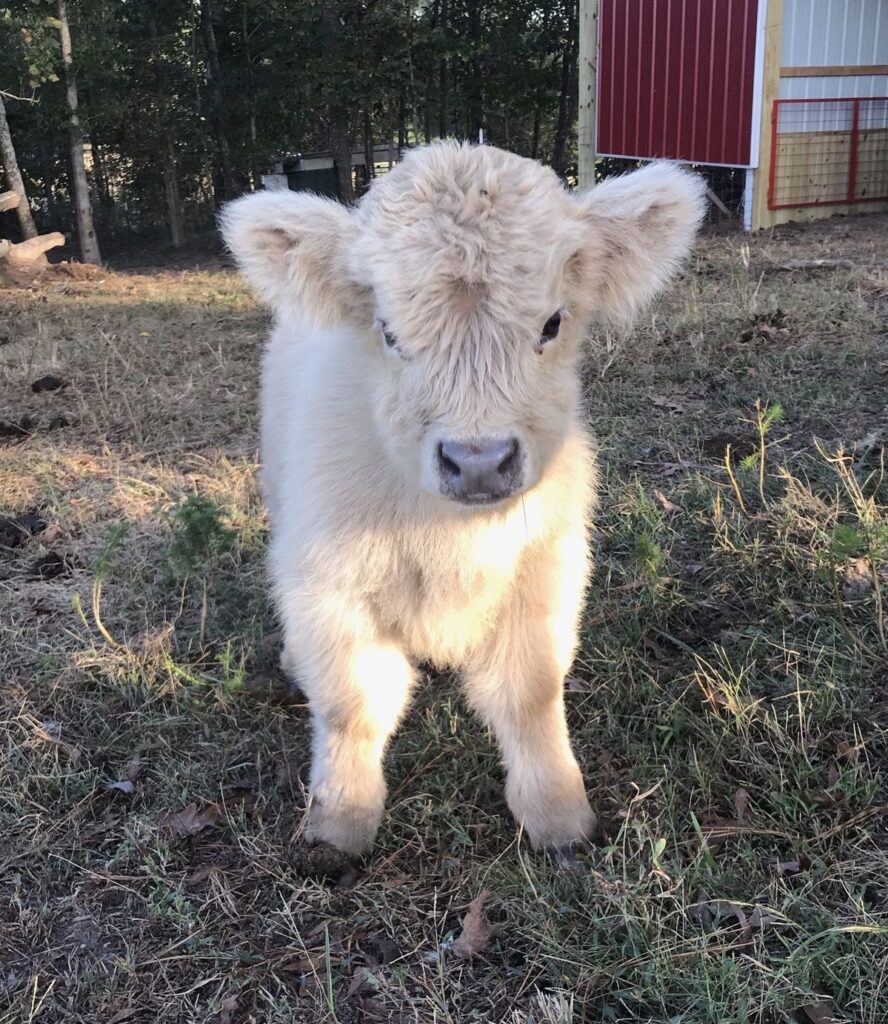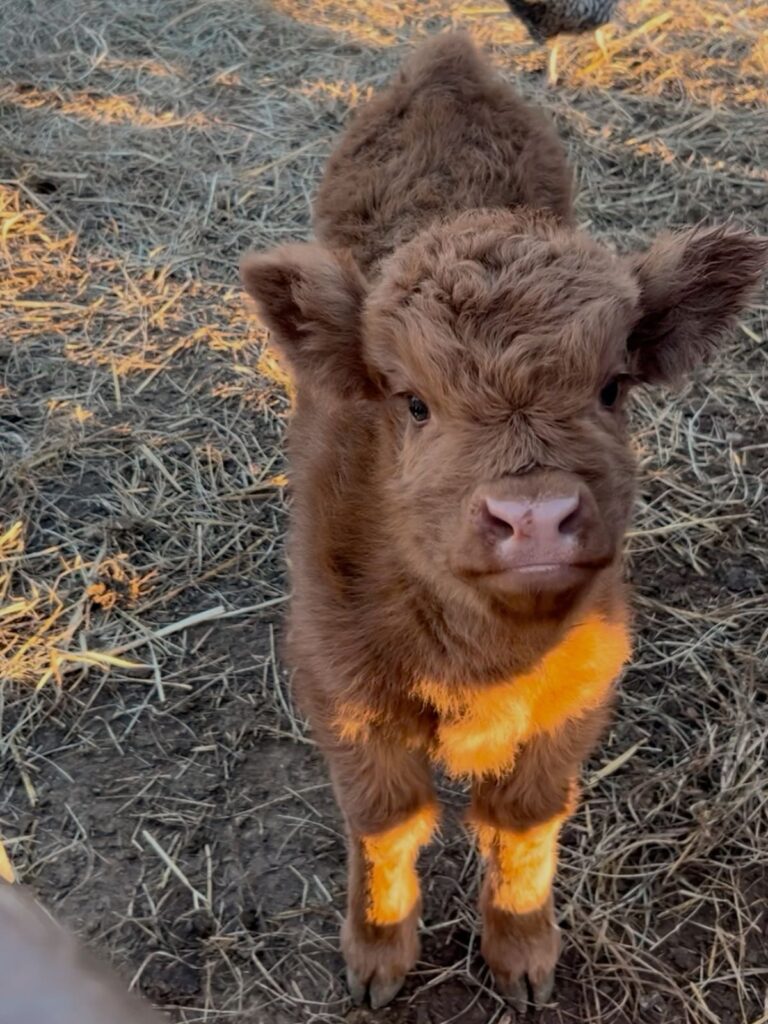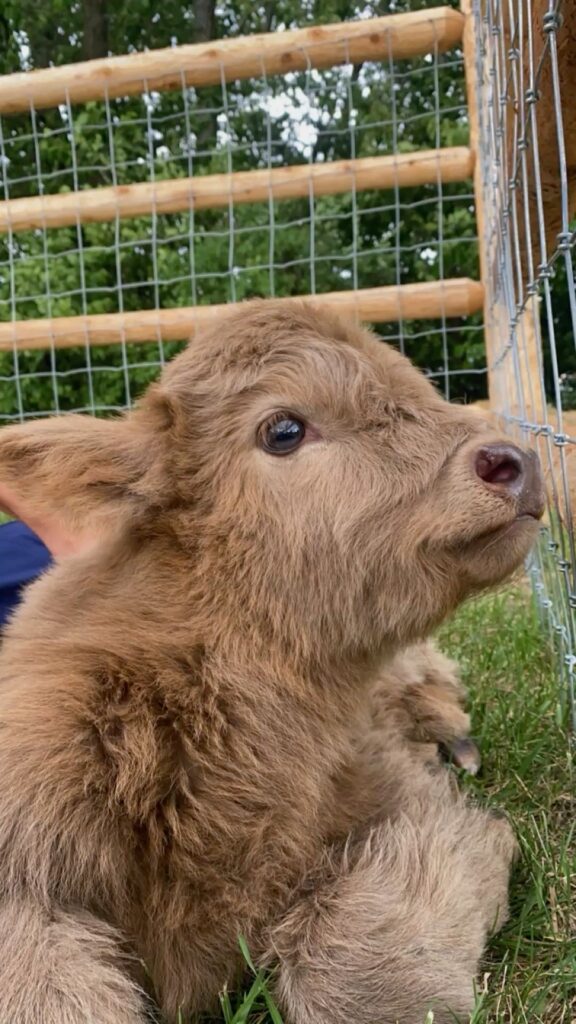
Mud may seem like a minor inconvenience on cattle farms, but excessive mud can quickly become a serious health and management problem for Mini Highland cows. Understanding proper mini Highland cow mud control strategies helps owners maintain cleaner pastures, healthier cattle, safer walking conditions, and more efficient farm operations.
Mini Highland cows are hardy animals that tolerate cold climates well, but constant exposure to wet muddy conditions can negatively affect hoof health, hygiene, grazing quality, and overall cattle comfort. Mud also increases parasite exposure, bacterial growth, and the risk of slipping injuries.
Without proper mud management, heavily trafficked areas around feeding stations, gates, barns, and water troughs can deteriorate rapidly, especially during rainy seasons and winter months.
Fortunately, there are many effective ways to reduce mud buildup and improve overall farm conditions. In this complete guide, you will learn the best mini Highland cow mud control strategies, the dangers of excessive mud, and practical farm management solutions every owner should understand.
What Is Mini Highland Cow Mud Control?
Mini Highland cow mud control refers to the management techniques used to reduce excessive mud buildup in cattle living areas.
Mud control focuses on improving:
- drainage
- pasture condition
- sanitation
- hoof health
- cattle comfort
- farm safety
Proper mud management helps maintain cleaner and healthier environments throughout the year.
Common mud-prone areas include:
- feeding stations
- gates
- water troughs
- barn entrances
- shaded resting zones
Without management, these areas may become unsafe and unsanitary quickly.
Why Mud Is Dangerous for Mini Highland Cows
Excessive mud creates several serious health and management risks.
Hoof Problems
Wet muddy conditions soften hooves and increase infection risks.
Bacterial Growth
Mud encourages bacteria that may cause skin and hoof infections.
Parasite Exposure
Wet environments support parasite survival and spread.
Injury Risks
Slippery muddy surfaces increase fall and injury risks.
Stress and Discomfort
Constant mud exposure creates physical stress and reduces grazing comfort.
Even hardy cattle breeds perform better in clean dry environments.
Common Causes of Excess Mud on Cattle Farms
Several factors commonly contribute to mud problems.
Poor Drainage
Water that cannot drain properly quickly creates mud buildup.
Heavy Rainfall
Long rainy periods saturate soil rapidly.
Overcrowding
Too many cattle in small areas destroy grass coverage and compact soil.
Poor Pasture Rotation
Continuous grazing weakens pasture recovery.
Water Trough Placement
Constant foot traffic around water stations creates muddy zones.
Understanding these causes helps owners prevent long-term farm deterioration.
10 Smart Mini Highland Cow Mud Control Tips
1. Improve Farm Drainage
Drainage is one of the most important mud control solutions.
Installing:
- drainage ditches
- sloped surfaces
- runoff systems
helps move excess water away from cattle areas.
2. Rotate Pastures Frequently
A strong mini Highland cow pasture rotation system helps protect grass coverage and reduce soil damage.
Rested pastures recover faster and remain drier.
3. Add Gravel Around High-Traffic Areas
Gravel improves footing and reduces mud near:
- gates
- feeders
- water troughs
Proper gravel depth improves long-term durability.
4. Move Water Troughs Regularly
Fixed watering locations often become heavily compacted.
Portable trough systems help distribute foot traffic more evenly.
5. Avoid Overcrowding Pastures
Too many cattle in small spaces destroy vegetation quickly.
Healthy grass coverage naturally reduces mud formation.
6. Build Elevated Feeding Areas
Raised feeding pads reduce soil damage during wet weather.
Feeding cattle on elevated dry surfaces improves sanitation significantly.
7. Install Proper Gutters and Runoff Systems
Barn runoff may create major mud problems without proper water management.
Gutters help redirect excess rainwater safely.
8. Use Sacrifice Areas During Heavy Rain
Sacrifice areas are designated zones used during extremely wet conditions.
These areas protect primary grazing pastures from severe damage.
9. Maintain Healthy Grass Coverage
Grass roots stabilize soil and absorb moisture naturally.
Overgrazed land becomes muddy much faster.
10. Clean Muddy Areas Consistently
Routine maintenance prevents mud buildup from becoming unmanageable.
Regular cleaning improves both appearance and cattle health.
How Mud Affects Mini Highland Cow Health
Constant mud exposure creates multiple health concerns.
Increased Infection Risk
Wet dirty conditions support bacterial growth.
Skin Irritation
Mud may irritate sensitive skin areas.
Reduced Grazing Efficiency
Muddy cattle often spend less time grazing comfortably.
Higher Stress Levels
Dirty uncomfortable conditions increase stress and reduce overall well-being.
Healthy environments support stronger immune systems and better productivity.
Mud and Hoof Problems in Mini Highland Cows
Hoof health is especially vulnerable in muddy conditions.
A strong mini Highland cow hoof trimming routine becomes extremely important on wet farms.
Common mud-related hoof issues include:
- hoof softening
- infections
- abscesses
- foot rot
- cracking
Routine hoof inspections help detect problems early.
Best Farm Surfaces for Mud Prevention
Different surfaces help reduce mud buildup.
Gravel
Excellent for drainage and heavy traffic areas.
Sand
Provides decent drainage but may shift over time.
Concrete
Useful in barns and feeding zones when properly textured.
Grass Pasture
Healthy pasture remains one of the best natural mud prevention systems.
How Weather Affects Mud Problems
Weather conditions heavily influence mud severity.
Heavy Rainfall
Rain saturates soil quickly.
Snow Melt
Melting snow creates extremely muddy spring conditions.
Humidity
Humid weather slows drying.
Drought Recovery
Dry cracked soil may become muddy rapidly after rain returns.
Owners should adjust management strategies seasonally.
Winter Mud Management Strategies
Winter often creates major mud challenges.
A proper mini Highland cow winter care system should include:
- drainage monitoring
- dry bedding
- feeding pads
- gravel walkways
- runoff control
Frozen ground combined with melting snow can create dangerous conditions quickly.
Mud Control for Small Mini Highland Farms
Small farms may face even greater mud challenges because cattle spend more time in limited spaces.
Important small-farm strategies include:
- rotational grazing
- portable feeding systems
- improved drainage
- temporary fencing
- sacrifice areas
Good planning helps small farms remain manageable year-round.
Common Mud Management Mistakes
Ignoring Drainage Problems
Poor drainage always worsens mud issues over time.
Allowing Overgrazing
Destroyed pasture increases erosion and mud formation.
Keeping Water Sources Stationary
Fixed traffic patterns damage soil faster.
Delaying Repairs
Minor muddy areas become major problems quickly.
Underestimating Winter Conditions
Winter thaw cycles create severe mud challenges.
Mud, Parasites, and Farm Hygiene
Wet muddy conditions also increase parasite risks.
Standing water and wet manure encourage:
- parasite survival
- bacterial growth
- fly populations
Good sanitation and drainage improve overall herd health significantly.
Long-Term Benefits of Proper Mud Control
Strong mud control programs provide several long-term advantages.
Healthier Hooves
Dry conditions reduce infections.
Cleaner Cattle
Cleaner coats improve appearance and hygiene.
Better Pasture Recovery
Healthy soil supports stronger grass growth.
Reduced Veterinary Costs
Cleaner environments lower disease risks.
Improved Farm Appearance
Well-maintained farms attract more positive attention from visitors and buyers.
Building a Sustainable Mud Management System
The best mud control systems combine:
- drainage
- rotational grazing
- healthy pasture
- gravel installation
- seasonal planning
- routine maintenance
No single solution eliminates mud permanently.
Successful owners focus on consistent long-term management strategies.
Final Thoughts on Mini Highland Cow Mud Control
Understanding proper mini Highland cow mud control is essential for maintaining cleaner, healthier, and safer cattle environments. While Mini Highland cows are naturally hardy animals, excessive mud exposure can still create serious hoof, hygiene, parasite, and management problems over time.
Fortunately, practical strategies such as rotational grazing, drainage improvement, gravel installation, proper feeding area design, and seasonal planning can dramatically reduce muddy conditions and improve overall farm health.
Whether you own a small hobby farm or a growing breeding operation, investing in long-term mud management helps improve cattle comfort, reduce veterinary risks, and create a more efficient and professional farming environment. Using proper mini Highland cow pasture rotation methods helps reduce muddy grazing areas while improving pasture recovery and cattle health. Following a strong mini Highland cow hoof trimming routine helps prevent hoof infections and mobility problems caused by excessive mud exposure. A well-planned mini Highland cow farm layout can improve drainage, reduce mud buildup, and create healthier walking conditions for cattle.
Reviewing professional livestock drainage management recommendations can help cattle owners reduce muddy conditions and improve overall farm sanitation. Following trusted cattle hoof health management guidelines helps farmers reduce mud-related hoof infections and improve herd mobility.