Introduction
Starting a mini Highland cow business plan is one of the smartest agricultural investments in today’s niche livestock market. With their small size, unique appearance, and increasing demand, mini Highland cows are quickly becoming a profitable venture for both beginners and experienced farmers.
If you’re serious about turning this into a real income stream, you need more than just passion—you need a solid business plan. This guide will walk you through every critical step required to build a successful and sustainable mini Highland cow business from scratch.
What is a Mini Highland Cow Business?
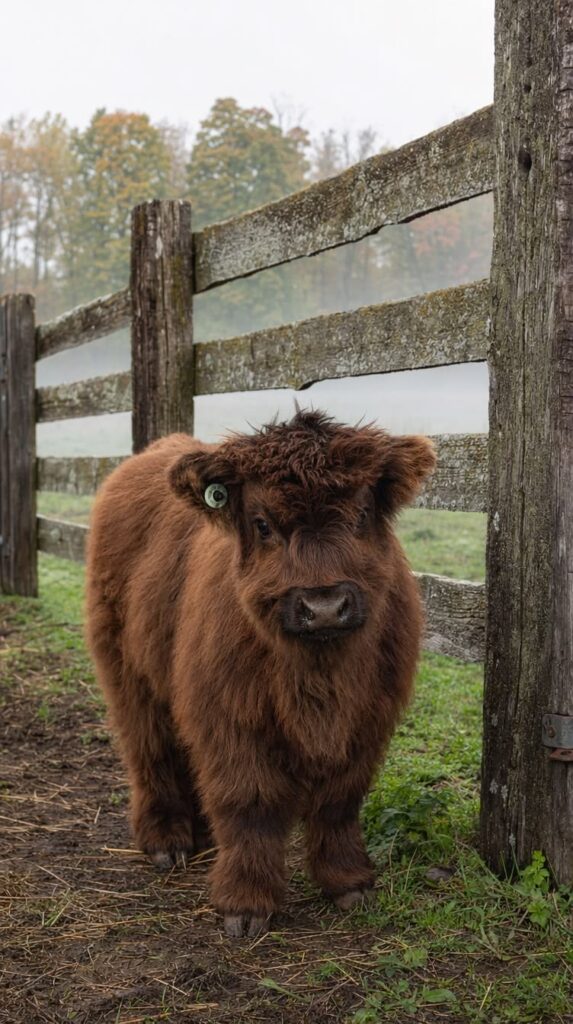
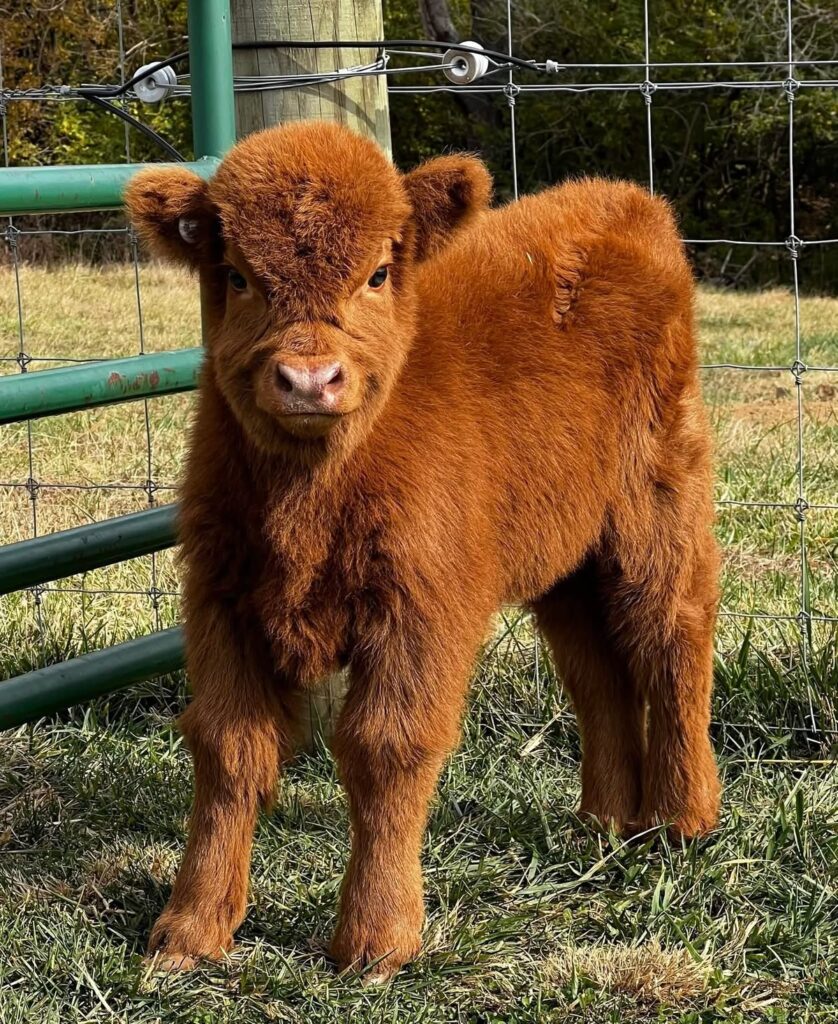
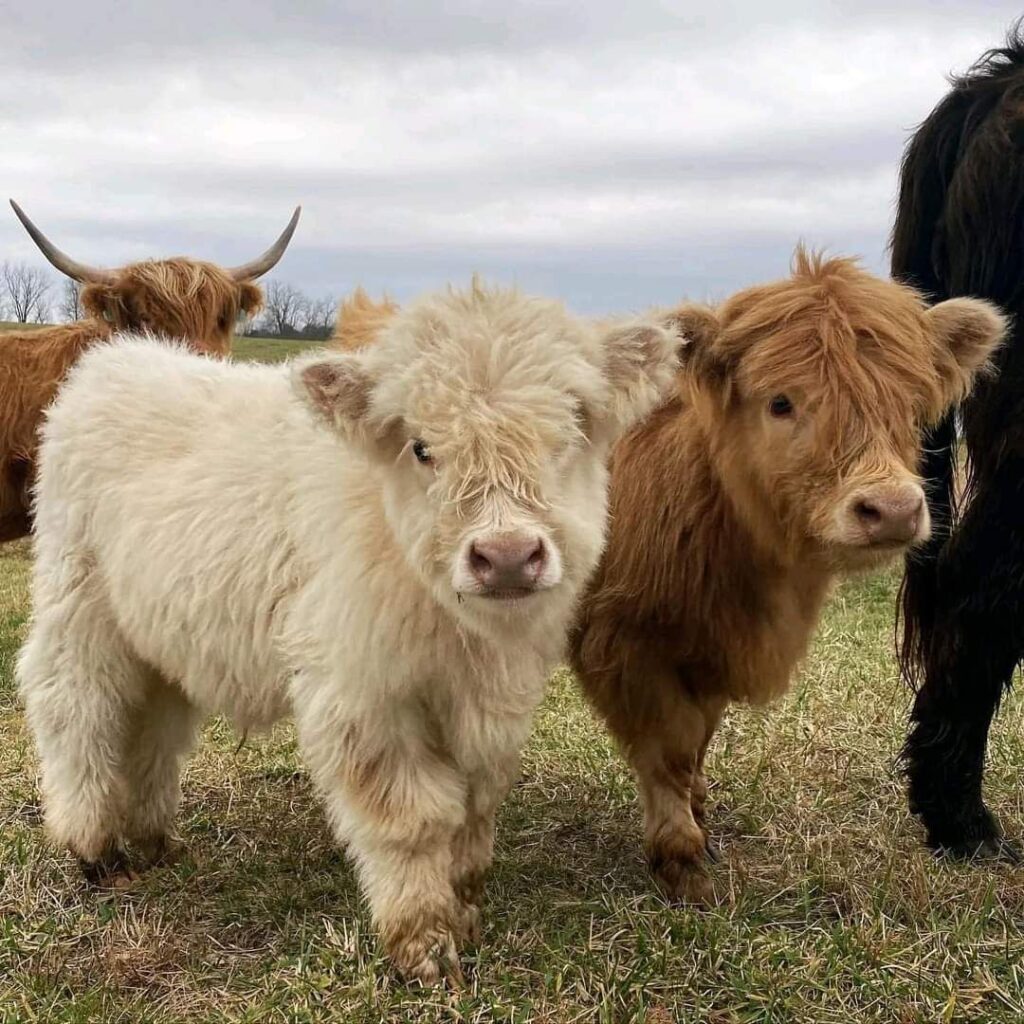
A mini Highland cow business involves breeding, raising, and selling miniature Highland cattle for profit. These animals are highly sought after due to their manageable size, friendly temperament, and aesthetic appeal.
Unlike traditional cattle farming, this niche focuses on premium pricing rather than mass production. Buyers are often hobby farmers, lifestyle buyers, or investors looking for unique livestock.
Why Mini Highland Cows Are Profitable
Mini Highland cows command significantly higher prices than regular cattle. A single calf can sell for thousands of dollars depending on lineage, size, and quality.
Their low maintenance requirements also reduce operational costs. They consume less feed, require less space, and are generally hardy animals. This combination of high demand and low overhead makes them ideal for profitability.
Step 1: Understanding Your Target Market
Before starting, you need to understand who your buyers are. Your market typically includes:
- Lifestyle farmers
- Small homestead owners
- Luxury livestock buyers
- Breeders looking to expand
Knowing your audience allows you to price correctly and market effectively. Premium buyers are willing to pay more if you position your brand properly.
Step 2: Startup Costs Breakdown
Starting a mini Highland cow business requires upfront investment. Key expenses include:
- Purchasing cattle (foundation stock)
- Land acquisition or leasing
- Fencing and shelter
- Feed and veterinary care
Initial costs can range from moderate to high depending on your setup. However, this is a long-term investment with strong returns when managed correctly.
Step 3: Land and Infrastructure Requirements
Mini Highland cows require less space than standard cattle, but proper land planning is still essential.
You’ll need:
- Secure fencing
- Shelter for harsh weather
- Clean water supply
- Grazing areas
Efficient land use directly impacts your productivity and overall profitability.
Step 4: Revenue Streams Explained
A successful business doesn’t rely on one income source. You can generate revenue through:
- Selling calves
- Breeding services
- Leasing animals
- Farm visits or agritourism
Diversifying your income ensures stability even when market conditions fluctuate.
Step 5: Breeding for Profit Strategy
Strategic breeding is where serious money is made. Focus on:
- High-quality genetics
- Selective breeding
- Maintaining health standards
The goal is to produce premium calves that command top market prices.
Step 6: Marketing and Sales Strategy
Without proper marketing, even the best livestock won’t sell. You need visibility.
Effective strategies include:
- Building a professional website
- Using social media platforms
- Listing on livestock marketplaces
- Creating high-quality photos and videos
Your branding should position your farm as premium and trustworthy.
Step 7: Legal Requirements and Permits
Every livestock business must comply with local regulations.
You may need:
- Livestock permits
- Land use approval
- Animal health certifications
Always check your local agricultural authority to avoid legal issues.
Step 8: Daily Operations Plan
Running a mini Highland cow business requires consistency. Daily tasks include:
- Feeding
- Health checks
- Cleaning
- Monitoring behavior
Efficiency in daily operations ensures your animals remain healthy and productive.
Step 9: Scaling Your Business
Once you establish your foundation, scaling becomes the next goal.
You can expand by:
- Increasing herd size
- Improving genetics
- Expanding land
- Increasing marketing reach
Growth should always be strategic to maintain quality and profitability.
Common Mistakes to Avoid
Many beginners fail due to avoidable mistakes such as:
- Poor planning
- Overcrowding animals
- Ignoring marketing
- Buying low-quality stock
Avoiding these mistakes can save you time, money, and frustration.
Final Thoughts
A mini Highland cow business is not just a trend—it’s a real opportunity for long-term income. With the right strategy, proper planning, and consistent execution, you can build a profitable and sustainable livestock business.
Focus on quality, understand your market, and continuously improve your operations. If done correctly, this business can generate strong returns while offering a rewarding farming experience. If you want a deeper understanding of how to maximize your earnings, check out our complete Mini Highland Cow Profit Guide where we break down advanced income strategies. Also before starting, it’s important to understand all expenses involved. Our Mini Highland Cow Cost of Ownership guide explains everything in detail. To improve your herd quality, read our Mini Highland Cow Breeding Guide for proven techniques.
For official livestock regulations and farming guidelines, refer to the USDA livestock resources. You can also explore small business planning resources provided by the SBA for better financial planning.