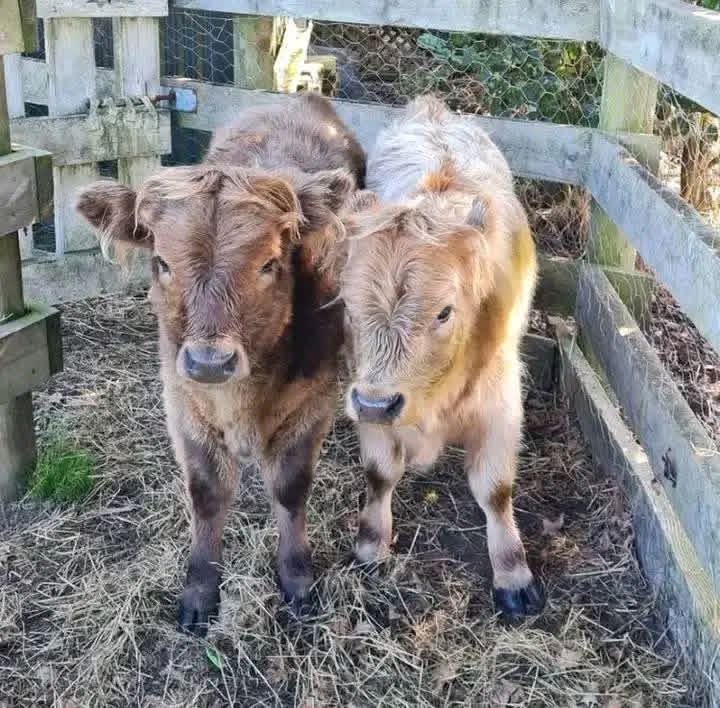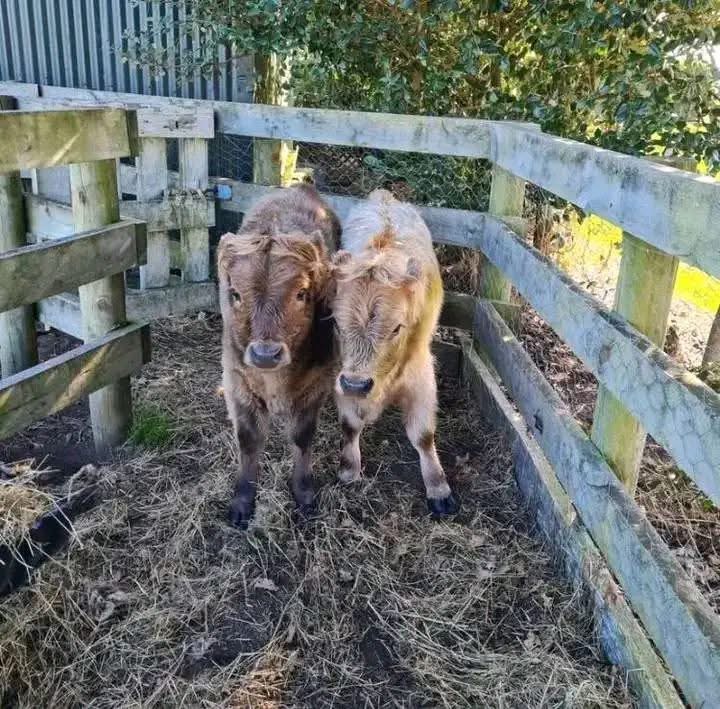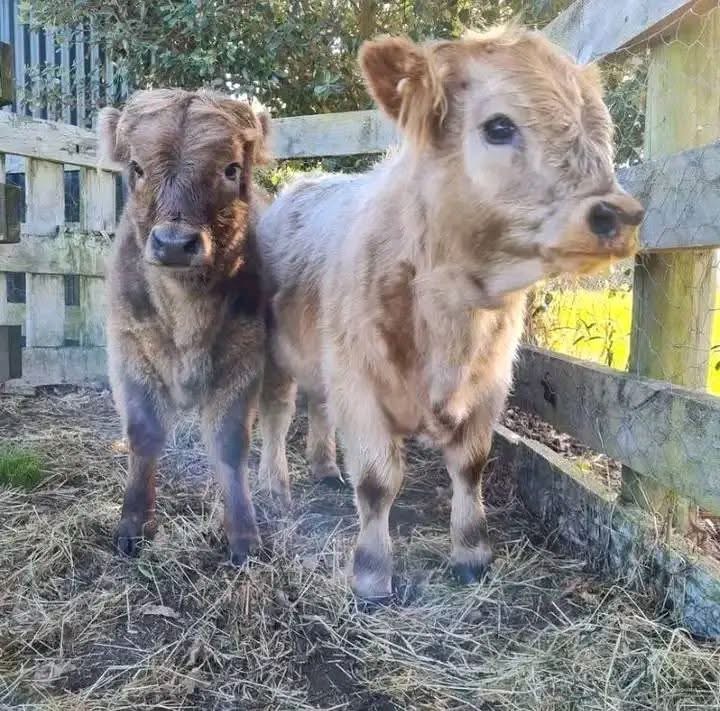
Raising calm, confident, and manageable cattle begins during the earliest stages of calf development. Although Mini Highland cows are naturally known for their gentle temperament and hardy personality, calves still require proper socialization and consistent handling to develop safe long-term behavior around humans, other animals, and changing farm environments. Understanding proper mini Highland cow calf socialization helps owners improve herd behavior, reduce stress, strengthen trust, and maintain safer cattle management systems.
Many cattle owners underestimate how much early social experiences affect future behavior. Poor calf socialization may contribute to:
- fearfulness
- aggressive reactions
- handling difficulties
- stress
- panic behavior
- transportation problems
- unsafe herd movement
Improper social development may also increase:
- injury risks
- veterinary handling challenges
- weaning stress
- breeding management difficulties
Because calves learn quickly during their early developmental stages, consistent calm interaction helps shape safer and more manageable adult cattle behavior.
Fortunately, proper training and low-stress handling techniques can dramatically improve calf confidence while supporting healthier long-term herd management.
In this complete guide, you will learn the best mini Highland cow calf socialization strategies, how behavior develops during early calf growth, stress reduction techniques, herd interaction management, common socialization mistakes, and the most important long-term calf training practices every cattle owner should understand.
What Is Mini Highland Cow Calf Socialization?
Mini Highland cow calf socialization refers to the gradual process of helping calves become comfortable with:
- humans
- herd interaction
- farm routines
- handling procedures
- changing environments
Good socialization focuses on:
- trust building
- calm interaction
- consistency
- stress reduction
- positive experiences
Proper social development helps calves become:
- calmer
- easier to handle
- less fearful
- safer around people
Strong socialization improves overall farm management efficiency significantly.
Why Early Socialization Matters for Mini Highland Calves
Early developmental experiences strongly affect future behavior.
Poor socialization may increase:
- nervousness
- aggression
- handling resistance
- stress reactions
Calves that become overly fearful often remain difficult to manage later in life.
Good socialization helps improve:
- herd stability
- handling safety
- veterinary cooperation
- transportation behavior
Calm confident cattle create safer and more productive farm environments.
12 Important Calf Socialization Training Tips
1. Start Human Interaction Early
Gentle early interaction helps calves become familiar with human presence.
Short calm sessions improve:
- confidence
- trust
- comfort around handlers
Consistent interaction builds stronger long-term behavior patterns.
2. Keep Handling Sessions Calm and Consistent
Calves respond best to predictable low-stress interaction.
Owners should avoid:
- yelling
- sudden movements
- rough handling
Calm behavior encourages better learning and trust.
3. Introduce Calves to Routine Farm Activities
Gradual exposure to:
- feeding routines
- barn activity
- grooming
- movement around equipment
helps calves adapt more comfortably to daily farm life.
4. Reduce Loud Noise and Stress
Excessive noise increases fear and anxiety.
Quiet environments improve:
- learning
- confidence
- social comfort
Stress reduction supports healthier calf development.
5. Use Positive Feeding Experiences
Following a balanced mini Highland cow feeding guide helps create positive interaction opportunities during feeding routines.
Calves often associate feeding with safety and comfort.
6. Avoid Rough Handling
Negative experiences may permanently damage trust.
Calves handled roughly sometimes develop:
- fear responses
- panic behavior
- long-term aggression
Gentle handling improves long-term cooperation significantly.
7. Encourage Safe Herd Interaction
Healthy interaction with calm herd members helps calves learn:
- social behavior
- movement patterns
- herd stability
Good herd structure improves calf confidence naturally.
8. Build Trust Through Consistency
Consistent routines reduce uncertainty and stress.
Predictable handling improves:
- behavioral stability
- comfort
- learning
Routine management creates calmer cattle.
9. Monitor Calf Body Language Carefully
Owners should watch for:
- nervous pacing
- tail movement
- ear positioning
- avoidance behavior
- vocal stress
Understanding body language improves safer handling.
10. Create Safe Socialization Areas
Socialization spaces should provide:
- secure fencing
- dry footing
- low stress
- minimal distractions
Safe environments improve learning and confidence.
11. Introduce Halter Training Gradually
Gentle gradual halter exposure improves:
- handling control
- veterinary management
- transportation readiness
Slow training helps prevent fear responses.
12. Maintain Long-Term Behavioral Consistency
Behavior training should continue throughout development.
Inconsistent handling may confuse calves and weaken trust over time.
Long-term consistency supports stable adult behavior.
How Socialization Affects Future Cattle Behavior
Well-socialized calves generally become:
- calmer adults
- easier to handle
- safer during veterinary care
- more manageable during transportation
Poor early handling may create long-term behavioral problems that become difficult to reverse later.
Strong early development improves overall herd safety significantly.
Signs of Stress and Fear in Mini Highland Calves
Owners should monitor for:
- excessive vocalization
- pacing
- avoidance behavior
- trembling
- aggression
- refusal to eat
Early stress detection improves management success significantly.
The Connection Between Socialization and Herd Safety
Calm cattle reduce:
- injury risks
- panic behavior
- fence damage
- aggressive reactions
Safe herd behavior improves:
- feeding management
- transportation
- veterinary handling
- breeding operations
Strong socialization creates safer farm environments overall.
Common Socialization Mistakes Owners Should Avoid
Inconsistent Handling
Irregular interaction weakens trust development.
Rough Treatment
Negative experiences increase fear responses.
Overcrowded Socialization Areas
Crowding increases stress and competition.
Excessive Noise
Loud environments reduce comfort and learning.
Ignoring Fear Signals
Stress symptoms should never be overlooked.
Strong management helps prevent long-term behavioral problems.
How Nutrition and Environment Affect Calf Behavior
Balanced nutrition supports:
- healthy development
- energy balance
- stress tolerance
Following proper mini Highland cow calf growth stages helps owners match socialization activities to developmental readiness.
Comfortable environments also improve:
- confidence
- learning
- behavioral stability
Seasonal Socialization Challenges Throughout the Year
Different seasons create different behavioral challenges.
Spring
Rapid herd activity may overstimulate calves.
Summer
Heat stress may increase irritability and discomfort.
Fall
Weaning transitions may increase anxiety temporarily.
Winter
Limited space may increase herd tension.
Seasonal planning improves behavioral management significantly.
Socialization and Veterinary Care
Calm cattle cooperate more effectively during:
- vaccinations
- hoof care
- health inspections
- emergency treatment
Well-socialized cattle reduce:
- injury risks
- stress
- handling difficulty
Behavior training improves herd healthcare efficiency significantly.
Socialization and Transportation Readiness
Calves exposed gradually to handling and movement often adapt better during:
- loading
- transportation
- relocation
Proper training reduces transportation stress and panic behavior significantly.
Long-Term Benefits of Proper Calf Socialization
Strong socialization systems provide several major advantages.
Safer Herd Handling
Calm cattle improve farm safety.
Reduced Stress
Confident animals adapt more comfortably to management changes.
Easier Veterinary Care
Cooperative cattle improve treatment efficiency.
Better Herd Stability
Calm social behavior improves group dynamics.
Improved Farm Management
Well-trained cattle simplify daily operations significantly.
Building a Sustainable Calf Socialization System
Successful socialization systems combine:
- calm handling
- consistency
- low-stress environments
- proper nutrition
- herd interaction
- gradual training
No single session completely shapes behavior permanently.
Consistent long-term interaction provides the strongest results.
Final Thoughts on Mini Highland Cow Calf Socialization
Understanding proper mini Highland cow calf socialization is essential for raising calmer, safer, and more manageable cattle while improving long-term herd behavior and farm safety. Although Mini Highland cows are naturally gentle animals, poor early handling and inconsistent social development can still create major stress and behavioral problems when calves are not introduced properly to human interaction and routine farm activities.
By starting socialization early, maintaining calm handling practices, reducing stress, monitoring behavior carefully, encouraging healthy herd interaction, and building consistent routines, owners can dramatically improve calf confidence and long-term cattle management success.
Whether you operate a small hobby farm or a larger breeding operation, investing in proper calf socialization practices helps create calmer herds, safer handling conditions, and more sustainable Mini Highland cattle farming for the future. Understanding proper mini Highland cow weaning process strategies helps owners reduce stress and maintain calmer calf behavior during important developmental transitions. Following healthy mini Highland cow calf growth stages allows owners to introduce socialization activities at appropriate developmental periods. Using balanced mini Highland cow feeding guide practices helps improve calf comfort, nutrition, and overall behavioral stability during social development.
Reviewing professional low stress livestock handling techniques can help cattle owners improve calf behavior and maintain safer herd management practices. Following trusted calf behavior and welfare recommendations helps farmers raise calmer cattle and improve long-term livestock handling success.