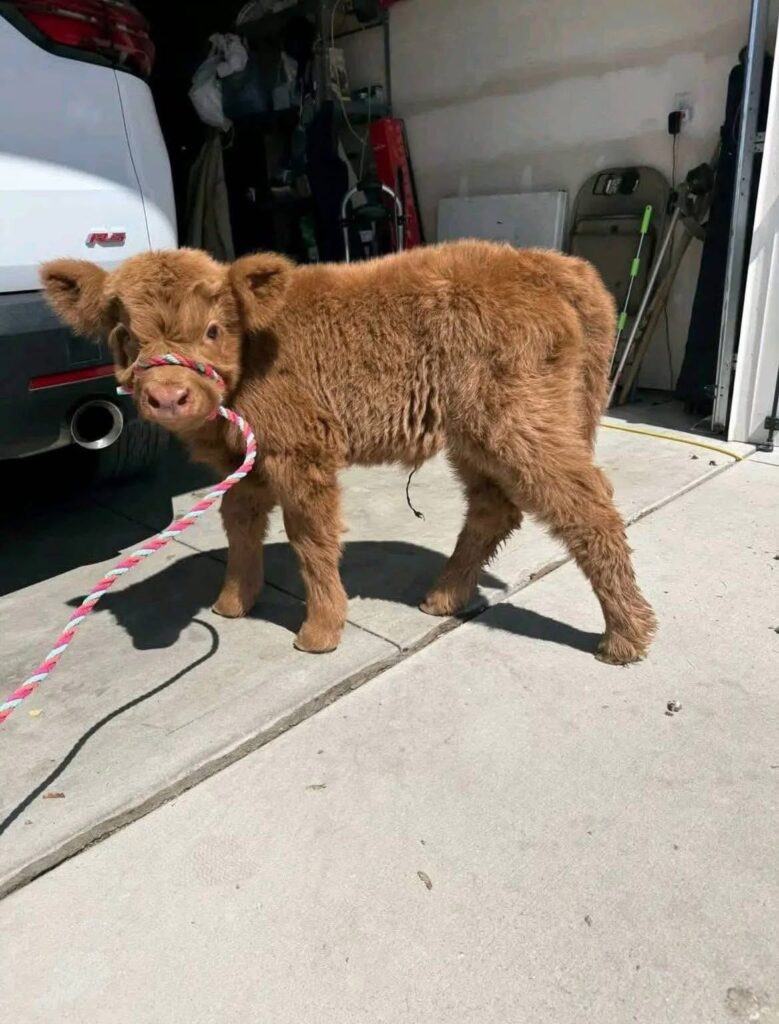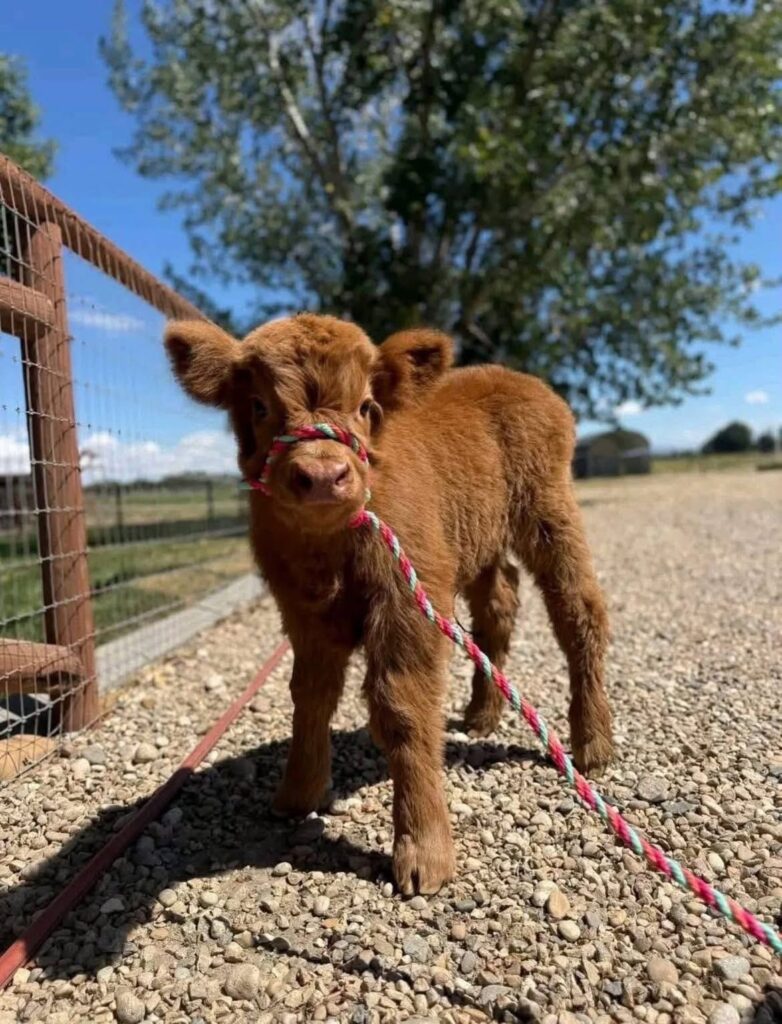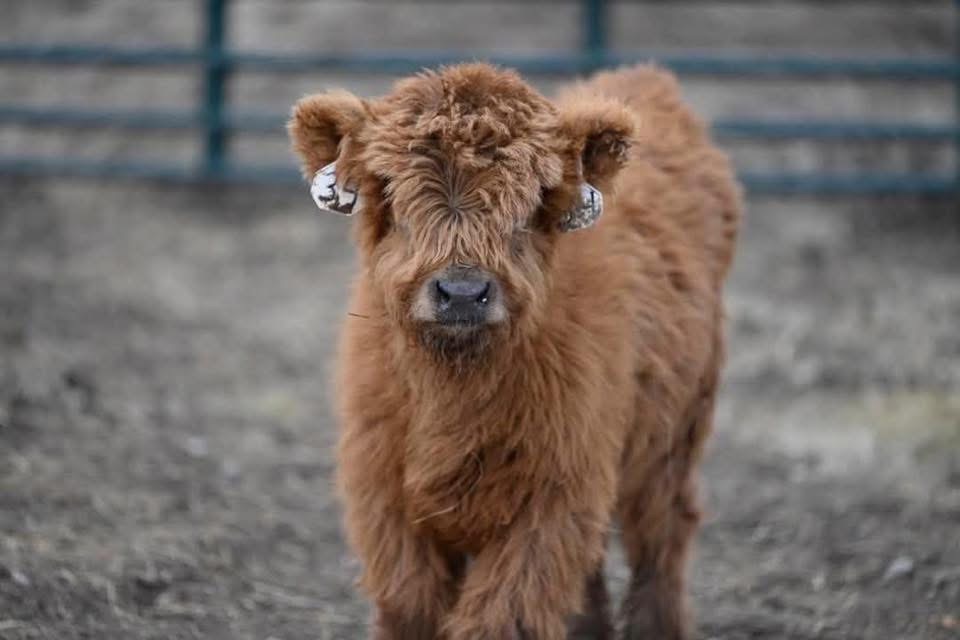
Weather protection plays a major role in maintaining healthy and productive cattle. Although Mini Highland cows are naturally hardy animals with thick coats and excellent cold-weather adaptability, prolonged exposure to harsh wind, heavy storms, freezing rain, and severe seasonal weather can still create major stress, energy loss, and environmental management problems when proper protection systems are neglected. Understanding effective mini Highland cow windbreak fence design helps owners improve cattle comfort while protecting pasture systems and reducing weather-related stress throughout the year.
Many cattle owners underestimate how strongly wind exposure affects:
- feed efficiency
- body condition
- calf health
- shelter comfort
- grazing behavior
- energy conservation
Strong wind combined with cold temperatures may increase:
- stress
- weight loss
- mud buildup
- shelter crowding
- bedding moisture
- feed consumption
Poor weather protection may also weaken:
- pasture conditions
- drainage systems
- fence durability
- herd comfort
Fortunately, proper windbreak fence planning can dramatically improve environmental protection while supporting healthier long-term cattle management.
In this complete guide, you will learn the best mini Highland cow windbreak fence design strategies, seasonal weather protection methods, drainage considerations, fence placement planning, common windbreak mistakes, and the most important long-term environmental protection practices every cattle owner should understand.
What Is a Mini Highland Cow Windbreak Fence Design?
A mini Highland cow windbreak fence design is a weather protection system built to reduce direct wind exposure around:
- pastures
- feeding zones
- shelter areas
- resting spaces
- calf protection zones
Windbreak systems may include:
- solid fencing
- tree rows
- portable barriers
- shelter walls
- natural vegetation
Good windbreak design helps:
- reduce cold stress
- improve cattle comfort
- protect bedding
- reduce mud formation
- improve energy conservation
Healthy environmental management improves overall herd stability significantly.
Why Wind Protection Matters for Mini Highland Cows
Even hardy cattle experience stress during prolonged exposure to:
- cold wind
- storms
- freezing rain
- rapid weather changes
Wind exposure increases energy demands because cattle must work harder to maintain body temperature.
Poor protection may contribute to:
- weight loss
- weakened calves
- stress
- reduced grazing efficiency
- overcrowding around shelter areas
Strong weather protection supports:
- healthier body condition
- improved feed efficiency
- lower stress levels
Protected cattle generally recover faster from harsh weather conditions.
14 Smart Windbreak Fence Design Ideas for Cattle Farms
1. Use Natural Tree Windbreak Rows
Tree rows help block:
- strong wind
- drifting snow
- storm exposure
Natural windbreaks also improve:
- shade
- pasture appearance
- environmental sustainability
Proper spacing improves long-term effectiveness.
2. Install Solid Panel Windbreak Fencing
Solid fencing provides strong direct wind protection around:
- feeding areas
- winter shelters
- calf zones
Durable materials improve long-term weather resistance.
3. Position Windbreaks Based on Seasonal Wind Direction
Understanding local wind patterns improves protection planning significantly.
Windbreaks should block dominant seasonal wind exposure while maintaining safe airflow.
4. Create Protected Feeding Areas
Wind-protected feeding zones improve:
- cattle comfort
- feed efficiency
- winter feeding stability
Sheltered feeding reduces unnecessary energy loss during cold weather.
5. Improve Winter Shelter Zones
Following proper mini Highland cow winter shelter setup strategies helps combine shelter and wind protection effectively.
Layered protection improves:
- bedding conditions
- calf comfort
- cold-weather recovery
6. Reduce Mud Formation Around Windbreaks
Crowded protected areas may accumulate:
- mud
- manure
- moisture
Good drainage and traffic management improve sanitation significantly.
7. Combine Fencing With Elevated Drainage Areas
Elevated ground improves:
- water runoff
- footing stability
- bedding dryness
Dry protected areas support healthier cattle conditions.
8. Maintain Safe Airflow Without Draft Exposure
Completely enclosed areas may trap:
- moisture
- ammonia
- poor ventilation
Balanced airflow improves respiratory comfort while reducing cold stress.
9. Protect Young Calves During Cold Seasons
Calves remain more vulnerable to:
- cold stress
- wind chill
- wet conditions
Extra protection improves calf survival and development significantly.
10. Strengthen Fence Stability Against Storms
Windbreak systems should withstand:
- strong wind
- storms
- heavy seasonal pressure
Regular inspection improves long-term structural durability.
11. Build Portable Windbreak Systems
Portable barriers improve flexibility during:
- pasture rotation
- temporary sheltering
- changing seasonal conditions
Mobile systems support adaptable weather management.
12. Improve Pasture Shade and Wind Balance
Balanced environmental planning improves:
- summer cooling
- winter protection
- pasture comfort
Good layouts support year-round herd comfort.
13. Maintain Windbreak Fence Repairs Regularly
Following strong mini Highland cow fence maintenance practices helps prevent:
- structural weakness
- storm damage
- safety hazards
Routine repairs improve long-term protection.
14. Develop a Long-Term Weather Protection Plan
Successful farms maintain organized environmental systems including:
- windbreak planning
- drainage improvement
- shelter placement
- seasonal weather preparation
Long-term planning improves farm sustainability significantly.
How Wind Exposure Affects Mini Highland Cow Health
Cold wind exposure increases:
- energy requirements
- stress
- feed consumption
Severe conditions may weaken:
- calf health
- immune function
- body condition
Prolonged environmental stress may also reduce:
- grazing efficiency
- comfort
- herd stability
Good wind protection improves long-term herd welfare.
Best Locations to Install Windbreak Fences
Important windbreak locations include:
- feeding zones
- winter shelter areas
- calf protection sections
- open pasture edges
- resting zones
Strategic placement improves overall protection efficiency significantly.
How Drainage Impacts Windbreak Effectiveness
Poor drainage weakens:
- footing stability
- sanitation
- bedding conditions
Protected areas without drainage often become muddy and overcrowded.
Strong drainage systems improve:
- comfort
- hoof health
- cleanliness
Dry protected environments support healthier cattle conditions.
Seasonal Weather Challenges Throughout the Year
Different seasons create different environmental risks.
Spring
Heavy rain and wind may increase mud buildup.
Summer
Heat management becomes important alongside airflow planning.
Fall
Rapid weather changes may increase stress.
Winter
Cold wind exposure creates the greatest environmental challenges.
Seasonal planning improves herd protection year-round.
The Connection Between Wind Protection and Feed Efficiency
Cold stressed cattle burn more energy maintaining body temperature.
Strong wind protection improves:
- feed utilization
- energy conservation
- body condition
Comfortable cattle often maintain healthier winter weight more efficiently.
Common Windbreak Fence Mistakes Owners Should Avoid
Blocking All Airflow Completely
Poor ventilation increases moisture buildup.
Ignoring Drainage Around Protected Areas
Wet muddy conditions reduce comfort significantly.
Weak Fence Construction
Storm damage weakens protection systems.
Poor Placement Planning
Incorrect positioning reduces windbreak effectiveness.
Neglecting Seasonal Adjustments
Environmental conditions change throughout the year.
Strong planning reduces these problems significantly.
Long-Term Benefits of Proper Windbreak Design
Strong windbreak systems provide several major advantages.
Reduced Cold Stress
Protected cattle conserve more energy.
Better Winter Body Condition
Lower energy loss supports healthier weight maintenance.
Improved Calf Protection
Young cattle remain safer during harsh weather.
Better Pasture Management
Strategic layouts improve traffic distribution.
Improved Farm Sustainability
Weather planning strengthens long-term farm resilience.
Windbreaks and Herd Behavior
Cattle naturally seek protected areas during:
- storms
- strong wind
- freezing weather
Organized protection systems reduce:
- overcrowding
- stress
- panic behavior
Comfortable cattle maintain more stable behavior patterns.
Windbreak Systems and Farm Safety
Strong structures help reduce:
- flying debris
- fence collapse
- dangerous exposure zones
Good planning improves both cattle safety and overall farm management.
Building a Sustainable Windbreak Protection System
Successful environmental systems combine:
- fencing
- natural vegetation
- drainage
- shelter placement
- seasonal planning
- regular maintenance
No single structure solves every weather challenge permanently.
Consistent management provides the strongest long-term protection.
Final Thoughts on Mini Highland Cow Windbreak Fence Design
Understanding proper mini Highland cow windbreak fence design is essential for reducing weather stress, protecting herd comfort, and maintaining healthier long-term cattle management systems. Although Mini Highland cows are naturally hardy animals, severe wind exposure, freezing conditions, mud buildup, and poor environmental protection can still gradually weaken herd health and pasture conditions when weather management is neglected.
By improving windbreak placement, strengthening drainage, protecting feeding areas, maintaining shelter systems, balancing airflow carefully, and planning for seasonal weather conditions, owners can dramatically improve cattle comfort while supporting stronger long-term farm sustainability.
Whether you operate a small hobby farm or a larger breeding operation, investing in strong windbreak fence systems helps create safer, healthier, and more sustainable Mini Highland cattle farming for the future. Following proper mini Highland cow winter shelter setup strategies helps owners combine wind protection and cold-weather shelter for healthier cattle comfort. Using effective mini Highland cow fence maintenance practices helps improve windbreak durability and reduce storm-related fence damage year-round. Maintaining proper mini Highland cow heat stress prevention systems helps farms balance seasonal airflow and weather protection during extreme climate changes.
Reviewing professional livestock windbreak structure planning techniques can help farmers improve cattle comfort and reduce cold weather stress naturally. Following trusted farm shelterbelt and wind protection recommendations helps livestock owners strengthen pasture protection and improve weather resilience.