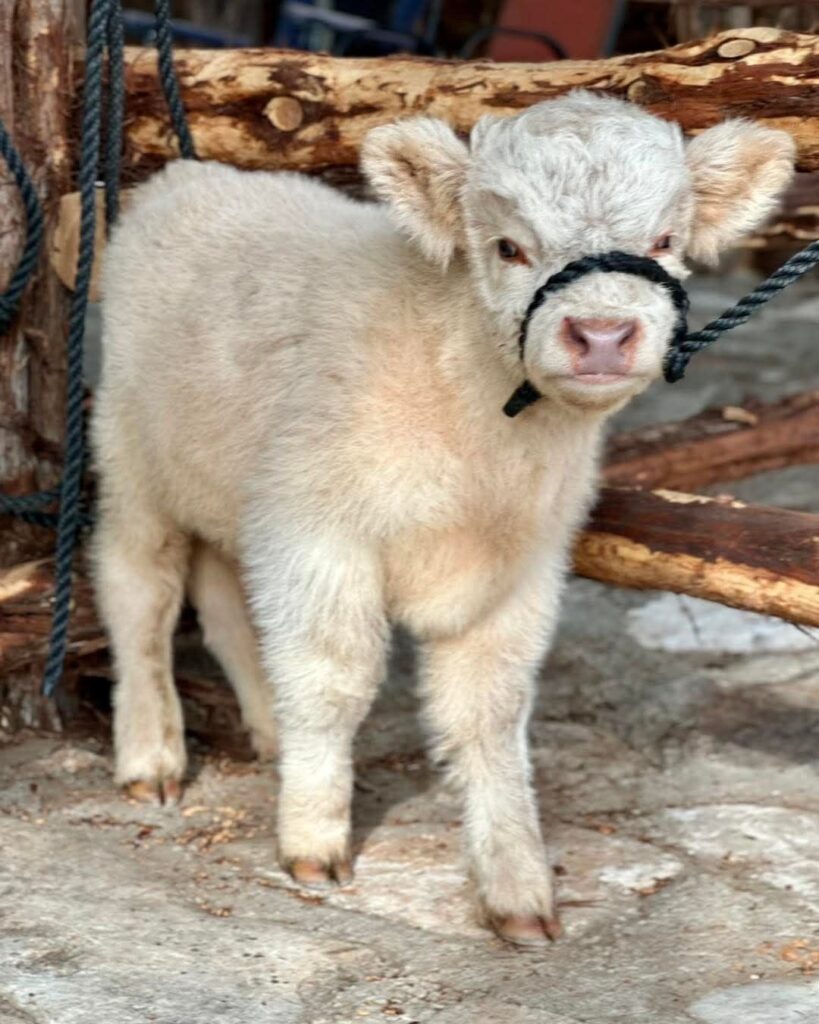
Healthy pasture management is one of the most important foundations of successful cattle farming. Although Mini Highland cows are naturally hardy grazers with efficient forage utilization and strong outdoor adaptability, continuous grazing pressure without proper recovery planning can still weaken pasture systems, reduce forage quality, damage soil structure, and increase long-term feeding costs. Understanding proper mini Highland cow pasture rest periods helps owners improve grazing sustainability while supporting healthier cattle and stronger pasture recovery naturally.
Many livestock owners underestimate how important pasture recovery is for:
- root development
- forage nutrition
- moisture retention
- grazing efficiency
- soil protection
- pasture productivity
Poor recovery management may contribute to:
- overgrazing
- erosion
- weed invasion
- weak forage growth
- muddy conditions
- reduced carrying capacity
Continuous grazing may also weaken:
- soil structure
- pasture biodiversity
- forage regrowth
- water absorption
Because pasture damage often develops slowly over time, many farm owners do not recognize declining grazing quality until recovery becomes expensive and difficult.
Fortunately, organized pasture rest systems can dramatically improve long-term forage production while supporting healthier and more sustainable livestock operations.
In this complete guide, you will learn the best mini Highland cow pasture rest periods, how grazing recovery improves forage systems, seasonal recovery management techniques, common pasture mistakes, and the most important long-term grazing sustainability practices every cattle owner should understand.
What Are Mini Highland Cow Pasture Rest Periods?
Mini Highland cow pasture rest periods refer to the planned recovery time given to grazing land after cattle have used a pasture area.
Rest periods allow:
- grass regrowth
- root recovery
- moisture stabilization
- soil rebuilding
- nutrient cycling
Good recovery systems help improve:
- pasture productivity
- forage quality
- grazing sustainability
- long-term land protection
Successful pasture management balances cattle grazing needs with natural recovery cycles.
Why Pasture Recovery Matters for Mini Highland Cattle
Healthy pasture systems directly affect:
- herd nutrition
- grazing efficiency
- soil protection
- moisture retention
Without proper recovery, pastures may become:
- thin
- nutrient deficient
- compacted
- vulnerable to erosion
Poor pasture quality may increase:
- supplemental feed costs
- weed growth
- muddy conditions
- herd stress
Strong recovery systems improve both cattle nutrition and long-term pasture stability significantly.
12 Smart Pasture Rest Period Strategies for Healthier Grazing
1. Rotate Grazing Areas Consistently
Following organized mini Highland cow grazing rotation calendar systems helps prevent excessive pressure on individual pasture areas.
Rotational grazing improves:
- forage recovery
- root protection
- pasture balance
Consistent movement supports healthier long-term pasture growth.
2. Allow Grass Roots Time to Recover
Healthy roots support:
- nutrient absorption
- moisture retention
- forage stability
Short recovery periods may weaken root systems gradually.
Proper recovery improves long-term pasture resilience naturally.
3. Prevent Continuous Overgrazing
Continuous grazing weakens:
- forage density
- root growth
- pasture recovery
Overgrazed land often struggles to regenerate effectively.
Balanced grazing pressure improves sustainability significantly.
4. Monitor Grass Height Carefully
Grass height helps owners determine:
- grazing pressure
- recovery progress
- pasture readiness
Routine monitoring improves grazing timing and pasture protection.
5. Adjust Rest Periods During Drought
Following effective mini Highland cow drought management strategies helps owners protect stressed pastures during dry weather conditions.
Drought often slows:
- forage regrowth
- root recovery
- moisture balance
Longer recovery periods improve drought resilience naturally.
6. Protect Wet Pastures During Rainy Seasons
Wet grazing areas become vulnerable to:
- soil compaction
- mud damage
- root stress
Rainy-season protection improves long-term pasture durability significantly.
7. Reduce Soil Compaction Naturally
Heavy grazing pressure may compact soil and weaken:
- water infiltration
- oxygen flow
- root development
Proper rest periods improve soil recovery naturally.
8. Improve Forage Diversity Across Pastures
Mixed forage systems improve:
- grazing flexibility
- nutrient balance
- root diversity
Diverse pastures recover more effectively under rotational systems.
9. Rest High-Traffic Grazing Areas Longer
Areas near:
- water sources
- feeding stations
- shade zones
often require extended recovery time due to heavier cattle traffic.
Longer recovery improves pasture stability significantly.
10. Improve Water Distribution Throughout Pastures
Balanced mini Highland cow water requirements planning helps reduce overcrowding and excessive pressure around single watering zones.
Good distribution supports more even grazing patterns naturally.
11. Track Seasonal Recovery Patterns
Different seasons affect pasture growth differently.
Recovery schedules should adjust based on:
- rainfall
- temperature
- forage growth rates
- grazing pressure
Flexible systems improve pasture protection year-round.
12. Develop a Long-Term Pasture Recovery Plan
Successful farms maintain organized recovery systems including:
- grazing schedules
- seasonal adjustment
- forage monitoring
- drought planning
- soil improvement
Long-term planning improves sustainability significantly.
How Overgrazing Damages Pasture Systems
Overgrazing weakens:
- root systems
- forage density
- soil structure
- moisture retention
Damaged pasture often becomes vulnerable to:
- erosion
- weed invasion
- nutrient loss
Poor pasture conditions may reduce long-term grazing productivity significantly.
Best Signs a Pasture Needs Recovery Time
Owners should monitor for:
- short grass height
- exposed soil
- slow regrowth
- muddy conditions
- increased weeds
- thin forage coverage
Early detection improves pasture recovery success significantly.
How Rest Periods Improve Forage Nutrition
Healthy forage recovery improves:
- nutrient density
- grazing quality
- digestibility
- mineral availability
Well-rested pastures support stronger herd nutrition naturally.
The Connection Between Soil Health and Grazing Recovery
Following strong mini Highland cow pasture soil health practices improves:
- root stability
- organic matter
- moisture retention
- microbial activity
Healthy soil supports faster pasture recovery naturally.
Common Pasture Recovery Mistakes Owners Should Avoid
Grazing Too Early After Recovery
Weak regrowth may suffer long-term damage.
Overstocking Pasture Areas
Too many cattle increase grazing pressure rapidly.
Ignoring Seasonal Conditions
Weather strongly affects recovery speed.
Poor Water Distribution
Crowding damages surrounding forage.
Failing to Monitor Recovery Progress
Pasture health requires regular evaluation.
Strong management reduces these problems significantly.
Seasonal Pasture Recovery Challenges Throughout the Year
Different seasons create different recovery challenges.
Spring
Rapid growth may require faster rotation schedules.
Summer
Heat and drought may slow regrowth significantly.
Fall
Cooler conditions may improve forage stability.
Winter
Wet soil and frozen ground may increase pasture stress.
Seasonal planning improves long-term pasture protection significantly.
Pasture Recovery and Herd Nutrition
Healthy pastures support:
- better grazing efficiency
- stronger digestion
- improved mineral intake
- lower feeding costs
Weak forage systems may reduce herd performance gradually.
Strong recovery systems improve long-term cattle productivity naturally.
Pasture Rest Periods and Environmental Sustainability
Proper recovery systems improve:
- carbon storage
- erosion control
- water retention
- biodiversity
- long-term soil protection
Sustainable grazing benefits both farms and surrounding ecosystems.
Long-Term Benefits of Proper Pasture Rest Periods
Strong recovery systems provide several major advantages.
Better Forage Growth
Healthy recovery improves pasture productivity.
Reduced Feeding Costs
Stronger pastures lower supplemental feed needs.
Improved Soil Protection
Healthy grass cover reduces erosion naturally.
Better Grazing Sustainability
Balanced systems improve long-term land use.
Healthier Cattle
Nutritious pasture supports stronger herd performance.
Building a Sustainable Pasture Recovery System
Successful recovery systems combine:
- rotational grazing
- seasonal adjustment
- soil management
- water distribution
- forage monitoring
- drought planning
No single recovery schedule works perfectly year-round.
Consistent management provides the strongest long-term results.
Final Thoughts on Mini Highland Cow Pasture Rest Periods
Understanding proper mini Highland cow pasture rest periods is essential for improving forage recovery, protecting soil quality, and maintaining healthier long-term cattle management systems. Although Mini Highland cows are naturally efficient grazers, continuous pasture pressure without proper recovery planning can still gradually weaken forage productivity, damage soil structure, and reduce herd nutrition when grazing systems are neglected.
By rotating grazing areas carefully, monitoring forage recovery, adjusting rest periods seasonally, improving water distribution, protecting stressed pastures during drought, and maintaining organized recovery schedules, owners can dramatically improve pasture sustainability while supporting healthier cattle and lower long-term feeding costs.
Whether you operate a small hobby farm or a larger breeding operation, investing in strong pasture recovery management helps create healthier grazing systems, stronger forage production, and more sustainable Mini Highland cattle farming for the future. Following organized mini Highland cow grazing rotation calendar systems helps owners manage pasture recovery schedules more efficiently throughout the year. Maintaining strong mini Highland cow pasture soil health practices helps improve root recovery and support healthier forage growth naturally. Using effective mini Highland cow drought management strategies helps farms protect stressed grazing land during dry seasonal conditions.
Reviewing professional pasture forage recovery management techniques can help livestock owners improve grazing productivity and reduce overgrazing damage naturally. Following trusted rotational grazing pasture recovery recommendations helps farmers strengthen forage systems and improve long-term pasture sustainability.