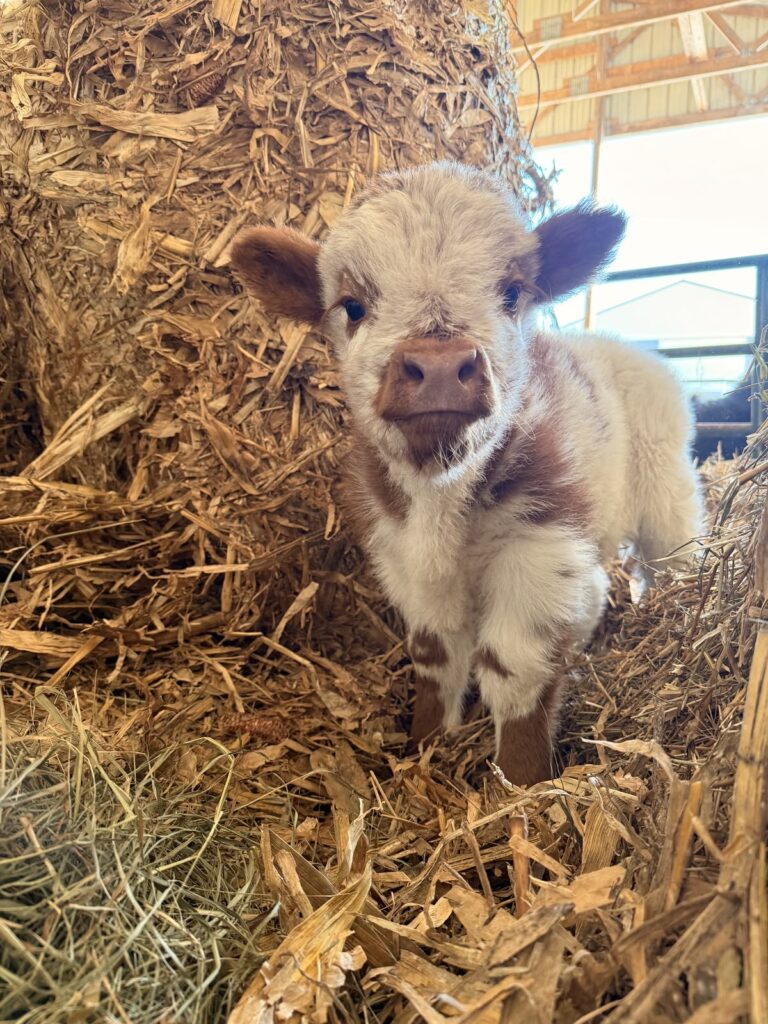
Maintaining healthy grazing land is one of the most important responsibilities of successful cattle farming. Although Mini Highland cows are naturally hardy grazers with strong forage adaptability and efficient pasture utilization, uncontrolled weed growth can still create major nutritional, environmental, and pasture management problems when grazing systems are neglected. Understanding effective mini Highland cow pasture weed control helps owners improve forage quality while protecting long-term pasture productivity and herd health naturally.
Many livestock owners underestimate how strongly invasive weeds affect:
- forage growth
- pasture nutrition
- grazing efficiency
- soil stability
- moisture retention
- herd safety
- land productivity
Poor weed management may contribute to:
- toxic plant exposure
- reduced forage availability
- soil degradation
- pasture thinning
- overgrazing
- lower carrying capacity
Heavy weed growth may also weaken:
- root development
- pasture biodiversity
- grazing balance
- forage recovery
Because invasive weeds spread gradually, many farm owners fail to recognize pasture decline until forage quality becomes difficult and expensive to restore.
Fortunately, organized weed management systems can dramatically improve grazing quality while supporting healthier and more sustainable pasture environments.
In this complete guide, you will learn the best mini Highland cow pasture weed control strategies, how weeds affect grazing systems, seasonal weed management techniques, common weed control mistakes, soil improvement methods, and the most important long-term pasture protection practices every cattle owner should understand.
What Is Mini Highland Cow Pasture Weed Control?
Mini Highland cow pasture weed control refers to the management practices used to reduce invasive or harmful plant growth within cattle grazing areas.
Good weed management focuses on:
- protecting forage quality
- improving pasture density
- reducing toxic plants
- maintaining soil stability
- supporting healthy grazing systems
Strong weed control improves:
- pasture productivity
- cattle nutrition
- forage recovery
- long-term grazing sustainability
Healthy pasture systems naturally resist excessive weed invasion more effectively.
Why Weed Management Matters for Mini Highland Grazing Systems
Weeds compete directly with healthy forage for:
- sunlight
- nutrients
- moisture
- growing space
Heavy weed growth may reduce:
- pasture productivity
- forage availability
- grazing efficiency
Certain weeds may also become toxic to cattle when consumed in large amounts.
Poor weed management often increases:
- overgrazing
- soil exposure
- erosion
- pasture stress
Healthy pasture systems improve both cattle nutrition and land sustainability significantly.
13 Smart Pasture Weed Control Strategies for Healthier Fields
1. Identify Harmful Pasture Weeds Early
Early weed identification helps owners prevent invasive plants from spreading aggressively.
Routine pasture inspection improves:
- detection
- treatment timing
- long-term pasture protection
Early management improves control success significantly.
2. Maintain Healthy Grass Density
Dense forage naturally suppresses weed growth.
Healthy grass competes more effectively for:
- nutrients
- moisture
- sunlight
Strong pasture density reduces weed invasion naturally.
3. Prevent Overgrazing Across Pastures
Overgrazed pasture weakens:
- root systems
- grass recovery
- forage competition
Following proper mini Highland cow pasture rest periods helps maintain healthier forage density and reduce weed spread naturally.
4. Rotate Grazing Areas Consistently
Following organized mini Highland cow grazing rotation calendar systems helps improve:
- forage recovery
- pasture balance
- weed suppression
Rotational systems reduce continuous pasture stress significantly.
5. Improve Soil Fertility Naturally
Following strong mini Highland cow pasture soil health practices improves:
- root development
- forage density
- nutrient cycling
Healthy soil supports stronger grass growth and lowers weed competition naturally.
6. Remove Toxic Weeds Before Grazing
Certain weeds may become dangerous for cattle health.
Owners should remove:
- toxic plants
- invasive species
- harmful growth near feeding zones
Safe grazing systems protect herd health significantly.
7. Control Weed Growth During Rainy Seasons
Wet conditions may accelerate invasive weed spread rapidly.
Good drainage and pasture management improve weed control during rainy periods.
8. Reduce Bare Soil Exposure
Bare soil creates ideal conditions for invasive weeds.
Healthy forage coverage improves:
- moisture retention
- erosion protection
- weed prevention
Strong grass cover supports healthier pasture systems naturally.
9. Improve Pasture Drainage Systems
Poor drainage weakens forage growth and encourages:
- weed spread
- soil stress
- muddy conditions
Healthy drainage improves pasture resilience significantly.
10. Monitor Weed Spread Throughout the Year
Different seasons create different weed pressures.
Routine monitoring improves:
- treatment timing
- pasture protection
- long-term management success
Consistent observation strengthens weed prevention naturally.
11. Encourage Diverse Forage Growth
Mixed forage systems improve:
- pasture resilience
- root diversity
- nutrient balance
Diverse grazing systems resist weed invasion more effectively.
12. Use Mechanical Weed Reduction Methods Carefully
Mowing and physical removal may help reduce:
- mature weeds
- seed spread
- overgrowth
Careful timing improves mechanical control effectiveness significantly.
13. Develop a Long-Term Weed Management Plan
Successful farms maintain organized weed systems including:
- pasture monitoring
- rotational grazing
- soil improvement
- forage recovery
- seasonal planning
Long-term management improves sustainability significantly.
How Weeds Affect Mini Highland Cow Health
Certain weeds may contribute to:
- digestive problems
- reduced forage intake
- toxicity risks
- poor nutrition
Heavy weed growth may also reduce access to quality forage.
Healthy pasture systems improve:
- grazing efficiency
- nutritional balance
- herd comfort
Good weed control supports stronger cattle health naturally.
Best Ways to Protect Grazing Pastures Naturally
Healthy pasture protection includes:
- rotational grazing
- forage recovery
- soil management
- drainage improvement
- weed monitoring
Balanced grazing systems improve long-term pasture durability significantly.
The Connection Between Soil Health and Weed Growth
Weak soil often encourages invasive weeds.
Healthy soil improves:
- forage density
- moisture retention
- root competition
- nutrient balance
Strong pasture ecosystems naturally suppress excessive weed spread more effectively.
Common Weed Control Mistakes Owners Should Avoid
Ignoring Early Weed Growth
Small weed problems may spread rapidly.
Overstocking Pastures
Heavy pressure weakens healthy forage quickly.
Continuous Grazing
Lack of recovery increases weed vulnerability.
Poor Soil Management
Weak soil reduces grass competitiveness.
Inconsistent Monitoring
Irregular inspection allows weeds to spread unnoticed.
Strong management reduces these problems significantly.
Seasonal Weed Challenges Throughout the Year
Different seasons create different weed management challenges.
Spring
Rapid growth may accelerate weed spread.
Summer
Drought may weaken forage competition.
Fall
Certain weeds produce seeds aggressively.
Winter
Dormant pasture may hide developing weed problems.
Seasonal planning improves long-term pasture protection significantly.
Weed Control and Pasture Sustainability
Strong weed management improves:
- forage recovery
- biodiversity
- erosion protection
- moisture balance
- grazing efficiency
Healthy pasture ecosystems support more sustainable livestock operations naturally.
Weed Prevention and Grazing Recovery
Proper recovery systems strengthen:
- root development
- grass density
- pasture resilience
Healthy forage systems naturally outcompete invasive weeds more effectively.
Long-Term Benefits of Proper Pasture Weed Control
Strong weed management systems provide several major advantages.
Better Forage Quality
Healthy pasture improves cattle nutrition.
Reduced Toxic Plant Risks
Safe grazing systems protect herd health.
Improved Soil Stability
Dense grass reduces erosion naturally.
Better Grazing Efficiency
Healthy forage supports stronger pasture utilization.
Improved Farm Sustainability
Balanced pasture systems strengthen long-term land productivity.
Building a Sustainable Weed Management System
Successful weed control systems combine:
- rotational grazing
- soil management
- pasture recovery
- drainage improvement
- monitoring
- seasonal adjustment
No single weed management method works perfectly year-round.
Consistent management provides the strongest long-term results.
Final Thoughts on Mini Highland Cow Pasture Weed Control
Understanding proper mini Highland cow pasture weed control is essential for improving forage quality, protecting grazing land, and maintaining healthier long-term cattle management systems. Although Mini Highland cows are naturally efficient grazers, invasive weeds, poor pasture recovery, weak soil health, and overgrazing can still gradually reduce forage productivity and herd nutrition when pasture systems are neglected.
By improving rotational grazing, strengthening pasture density, reducing soil exposure, monitoring invasive plants carefully, improving drainage, maintaining healthy soil, and developing organized long-term weed management plans, owners can dramatically improve grazing sustainability while supporting healthier cattle and stronger pasture systems.
Whether you operate a small hobby farm or a larger breeding operation, investing in organized pasture weed control helps create healthier grazing land, stronger forage systems, and more sustainable Mini Highland cattle farming for the future. Following organized mini Highland cow pasture rest periods helps owners strengthen forage recovery and naturally reduce invasive weed growth. Maintaining strong mini Highland cow pasture soil health systems helps improve grass density and reduce weed competition naturally. Using proper mini Highland cow grazing rotation calendar strategies helps reduce pasture stress and improve long-term weed prevention across grazing zones.
Reviewing professional pasture weed identification and management techniques can help livestock owners improve grazing quality and reduce invasive plant growth naturally. Following trusted forage pasture improvement recommendations helps farmers strengthen grass recovery and maintain healthier grazing systems year-round.